Testosterone Booster Cost: What to Expect Before You Buy Before You Buy
Quick Answer: What Does a Testosterone Booster Cost?
Most over-the-counter testosterone boosters cost about 15 to 70 dollars for a one-month supply, or roughly 50 cents to just over two dollars a day. Multi-bottle bundles usually cut the per-day figure, and prescription testosterone therapy is a separate, more expensive medical category entirely.
- Per month: commonly $15–$70 for a single bottle; premium botanical stacks sit higher.
- Per day: the number that actually matters — roughly $0.50 to $2.30 at the labelled serving.
- Versus TRT: prescription therapy runs $40–$100/month base, and branded gels far more.
If you have started shopping, you already know the frustrating part: the testosterone booster cost you actually pay is almost never the number printed largest on the page. One bottle looks cheap until you notice the serving is four capsules a day and it lasts fifteen days. Another looks expensive until you divide it out and realise it is under two dollars a day. The category is built to be confusing, and the confusion is where money quietly leaks. This guide fixes that by doing the arithmetic in the open: what a testosterone booster costs per bottle, per day and per month, why bundles change the figure, and how any of it compares with the very different price of prescription testosterone therapy.
The honest headline is that a supplement is not expensive relative to most monthly habits, but it is easy to overpay for the wrong reasons — a big blend that hides its doses, a serving size that drains the bottle in two weeks, or a subscription you forgot to cancel. Price is only meaningful once you know exactly what you are getting for it, so we will treat cost and label transparency as one question rather than two.
What you are actually paying for
Strip away the branding and a testosterone booster is a small quantity of botanical extracts, vitamins and minerals inside a capsule. The raw material cost of most of these ingredients is low. What you are paying for, in order of how much it moves the price, is the amount of active material per serving, the quality and standardisation of the extracts, third-party testing, the guarantee behind the product, and finally the marketing that got the bottle in front of you.
That order matters because two of those things — dose and testing — are the ones that decide whether the product does anything, and they are the two most easily cut to hit a low price. A formula can look identical to a premium one on the front of the label and cost a third as much because the amounts inside are a fraction of what trials used, or because nobody has verified that the bottle contains what the panel claims. So the first rule of judging testosterone booster cost is that a price is only comparable between two products when both fully disclose their per-ingredient amounts. Comparing a transparent label with a proprietary blend on price alone is comparing a known quantity with an unknown one.
Testosterone booster cost per month: the honest ranges
Across the over-the-counter market, a one-month supply of a testosterone booster commonly lands between about 15 and 70 dollars. The lower end is populated by single-ingredient products and supermarket-shelf tribulus or zinc tablets. The middle, roughly 30 to 50 dollars a month, is where most multi-ingredient botanical stacks sit. The upper end, past 60 dollars, is premium positioning — sometimes justified by genuinely higher doses and independent testing, and sometimes just a higher margin.
A useful reference point many sellers advertise is the "about $1.67 a day" tier, which is roughly 50 dollars for a 30-day bottle. That is a fair benchmark for a fully dosed, tested botanical formula. If a product costs dramatically less than that, the reasonable question is which corner was cut; if it costs dramatically more, the reasonable question is what the extra buys that a mid-priced tested product does not already provide. Neither question has a fixed answer, but asking them is how you avoid overpaying in both directions.
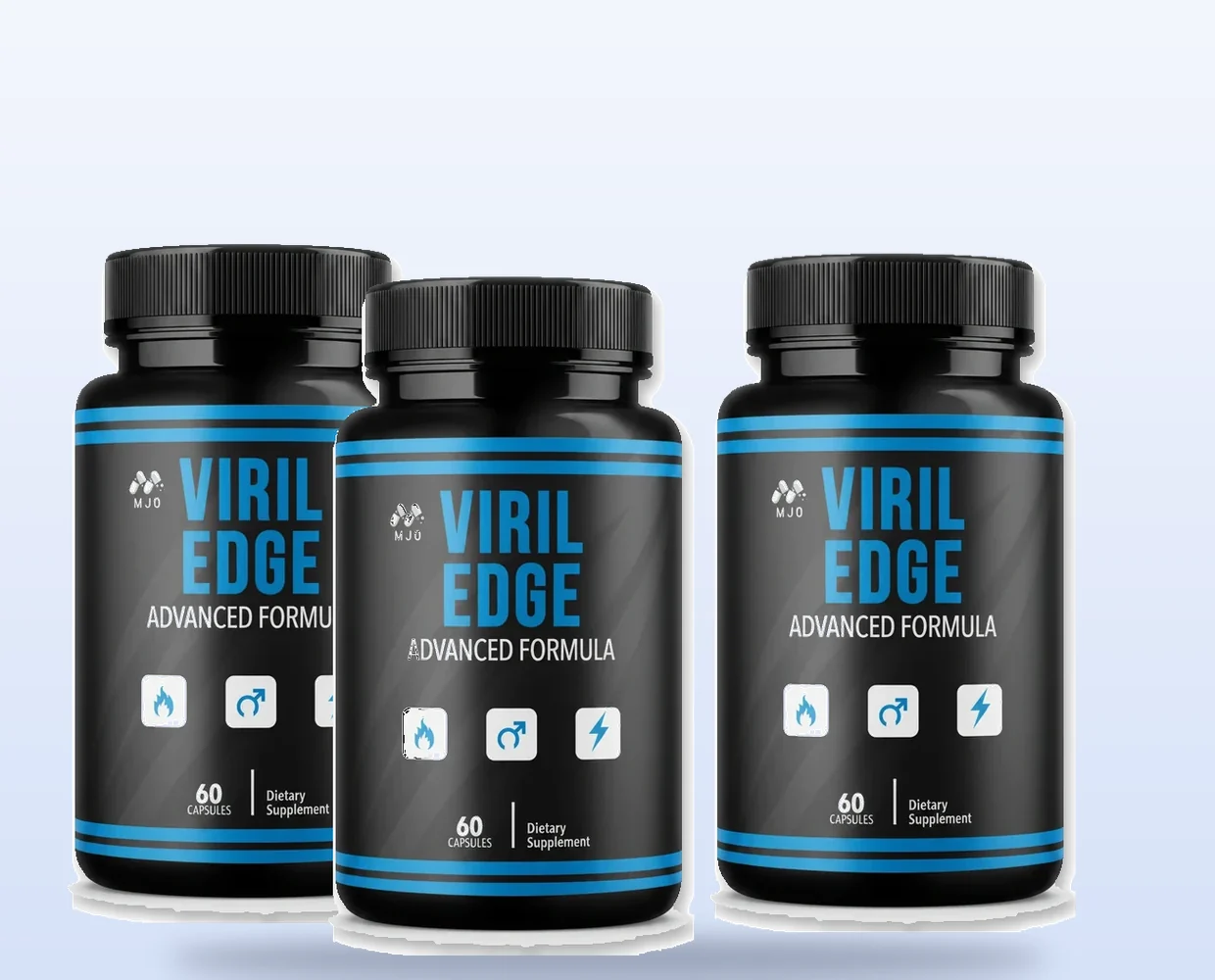
Viril Edge is a 60-capsule bottle taken as two capsules a day, which is a 30-day supply per bottle — a detail worth checking on any product, because a "60 count" bottle at four capsules a day is really a two-week bottle wearing a monthly price. We publish no price we have not verified, so rather than quote a figure that may change, the current per-bottle and bundle pricing is listed at the official store, and the serving math on this page tells you how to read whatever number you find there.
The number that matters is cost per day
Per-bottle prices are close to useless for comparison because serving sizes differ. The only figure that compares fairly across products is cost per day at the labelled serving, and it takes ten seconds to work out: bottle price divided by how many days the bottle lasts. A 50-dollar bottle that lasts 30 days is $1.67 a day. A 36-dollar bottle that lasts 15 days is $2.40 a day — more expensive, despite the smaller sticker.
Do this once for every product on your shortlist and the rankings often invert. The cheap-looking bottle with the aggressive four-capsule serving frequently turns out to be the most expensive per day, while a calmly priced two-a-day bottle wins. This is also the moment to notice whether a product's dosing schedule is designed to sell more bottles: a serving that empties the bottle fast is, whatever else it is, a serving that brings you back to checkout sooner.

See the current package options and the per-day math
Viril Edge is a two-capsule-a-day, 60-count bottle — a genuine 30-day supply per bottle. The official store lists today's single-bottle and multi-bottle pricing so you can run the cost-per-day figure yourself before deciding.
Check Current Package OptionsDoes buying in bulk actually save money?
Almost always, yes — on a per-day basis. Sellers discount three and six-bottle packs because a larger order is cheaper for them to fulfil and locks in a customer, and they frequently waive shipping on the bigger bundles. A three-bottle pack can bring the per-day cost down by a quarter or more against a single bottle, and a six-bottle pack usually goes further still. If you have decided a product is right for you and you intend to take it daily, the bundle is the rational choice.
There is one real catch, and it is not the price: it is freshness. Many botanical capsule products carry an instruction to finish the bottle within roughly 60 days of opening, because once the seal is broken, oxygen and humidity begin working on the contents. That instruction is the reason a giant bundle is not automatically the best deal — it only saves money if you will realistically get through each bottle inside its useful life. If you understand exactly what "consume within 60 days of opening" actually means for a capsule bottle, you can buy in bulk with confidence, storing the sealed bottles cool and dry and opening them one at a time. Buy a year's supply you will half-use, and the "discount" evaporates as the last bottles degrade on a shelf.
Are cheap testosterone boosters worth it?
A low price is not a problem in itself; an unknown dose is. The cheapest products on the shelf tend to fail on one of two counts. Either they are a single cheap ingredient sold as a complete solution — a tribulus tablet marketed as a testosterone booster, for instance, despite repeated human trials finding little testosterone effect — or they are a multi-ingredient blend that lists an impressive front label while burying the amounts inside a single proprietary total, so you cannot tell whether any ingredient is present at a meaningful level.
In both cases the money is not badly spent because it is small; it is badly spent because you have no idea what you bought. A fair price for a fully disclosed, adequately dosed and tested formula is better value than a rock-bottom price for a mystery. This is exactly why the price conversation cannot be separated from the label: read the Supplement Facts panel, look for per-ingredient milligrams, and compare them against the amounts used in published studies before you let the price decide anything.
Testosterone booster cost versus the cost of TRT
Shoppers weighing a booster against a prescription are really comparing two different categories, not two prices. Testosterone replacement therapy (TRT) is a monitored medical treatment for clinically diagnosed low testosterone. It typically costs somewhere between 40 and 100 dollars a month for the base medication when using injectable testosterone, and branded transdermal gels can run from roughly 200 to 500 dollars a month. On top of that sit the costs most price comparisons forget: the doctor's consultation, the initial and follow-up blood tests, and ongoing monitoring, because testosterone therapy is not a fire-and-forget purchase.
An over-the-counter booster is far cheaper because it is a food-category dietary supplement, not a medical therapy — and that lower price comes with a hard limit you must be honest about. A supplement cannot diagnose, treat, cure or prevent low testosterone or any other medical condition. If your testosterone is genuinely low, that is a medical question for a clinician and blood work, and no supplement at any price is a substitute for that evaluation. What a daily botanical booster can do is act as a foundational support product for men who are not in the medical-treatment bracket, at a fraction of the cost, which is a legitimate role as long as nobody pretends it is the other thing.
| Option | Typical monthly cost | What the price includes | Requires prescription? |
|---|---|---|---|
| Single-ingredient OTC booster | $15–$30 | One low-cost ingredient; often under-dosed | No |
| Multi-ingredient botanical stack | $30–$70 | Several extracts; value depends on disclosed dose | No |
| Multi-bottle bundle (per month) | Lower per-day than single bottle | Same formula, discounted; watch the freshness window | No |
| Injectable TRT (base drug) | $40–$100 | Medication only; add consults and blood work | Yes |
| Branded testosterone gel | $200–$500 | Medication only; add clinic and monitoring costs | Yes |
A supplement's price is a food-category price. A prescription's price is a medical-treatment price. Comparing them on the sticker alone compares two things that are not doing the same job.
The hidden costs people forget to add
Three line items quietly move the true testosterone booster cost and rarely appear in the headline number. The first is shipping. A bargain single bottle with a flat shipping fee can cost more delivered than a slightly pricier bottle with free postage, and this is often where bundles win twice. The second is the guarantee. A product backed by a genuine, easy-to-claim money-back guarantee effectively lowers your risk-adjusted cost, because a formula that does not suit you can be returned; a product with no guarantee, or a guarantee wrapped in conditions, is more expensive than its price suggests once you account for the money you cannot get back.
The third is the subscription trap. Auto-ship can be a real convenience and a real discount, but an auto-ship you forget to manage is the most expensive way to buy anything. If you subscribe, put the renewal date somewhere you will see it, and treat the freshness window as your natural reorder rhythm rather than shipping bottles faster than you open them.

How to price a testosterone booster in five minutes
The following sequence turns a confusing product page into a single comparable number, and it works the same whether you are looking at a supermarket tablet or a premium botanical stack.
- Find the serving size and count. Capsules per serving multiplied by servings tells you how many days the bottle lasts. This is the step most shoppers skip and the one that flips the most rankings.
- Divide price by days. That is your cost per day, the only figure worth comparing across products.
- Check the panel for per-ingredient milligrams. A price is only meaningful next to a disclosed dose. If the amounts are hidden in a blend, note the product as unpriceable rather than cheap.
- Add shipping and read the guarantee. Delivered cost, not shelf cost, and a returnable product is genuinely cheaper than a non-returnable one.
- Only then compare bundles. Recalculate cost per day for the pack size you will actually finish inside the freshness window.
Run that on Viril Edge and the numbers are easy to read because the format is deliberately plain: a 60-capsule bottle, two capsules a day, one 838 mg blend of six botanicals. If you want to weigh that formula against the alternatives before pricing it, it helps to be clear on how a daily testosterone-support formula differs from a same-day male enhancement pill, and on what actually separates a well-built natural testosterone booster from the rest. Cost is the last question to answer, not the first.
Medical note: this article is general information about supplement pricing, not medical or financial advice. Dietary supplements are not intended to diagnose, treat, cure or prevent any disease, including low testosterone. Prices quoted are typical market ranges and will vary by seller and over time. Speak to a qualified healthcare professional before starting any supplement, particularly if you take prescription medication or have a heart, blood-pressure or hormonal condition.
Frequently asked questions
How much does a testosterone booster cost per month?
Most over-the-counter testosterone boosters cost somewhere between about 15 and 70 dollars for a one-month supply, which works out to roughly 50 cents to a little over two dollars a day. Premium botanical stacks tend to sit in the upper half of that range, while very cheap single-ingredient products cluster at the bottom. The single number that matters is cost per day at the dose the label tells you to take, not the sticker price on the bottle.
Are cheap testosterone boosters worth it?
Sometimes, but a low price is only good value when the dose is honest. A cheap product built on a large proprietary blend, or one that lists impressive ingredients in amounts far below what human trials used, is not a bargain at any price because you cannot tell what you are getting. Read the Supplement Facts panel first: a fair price for a fully disclosed, adequately dosed formula beats a rock-bottom price for an unknown one every time.
Is buying in bulk actually cheaper?
Usually yes, on a per-day basis, because most sellers discount three and six-bottle packs and often waive shipping on the larger orders. The catch is the freshness window: a botanical capsule is often meant to be used within about 60 days of opening, so bulk only saves money if you will realistically finish each bottle inside its useful life. Bulk pricing is real value if you take the product daily and store the sealed bottles properly, and false economy if the extra bottles sit open and degrade.
How does booster cost compare to TRT?
They are different categories with different costs and different purposes. Prescription testosterone replacement therapy typically runs from roughly 40 to 100 dollars a month for the base medication, and branded testosterone gels can reach 200 to 500 dollars a month before clinic visits and blood work. An over-the-counter booster is not a substitute for TRT and cannot treat diagnosed low testosterone, but it is far cheaper because it is a food-category supplement, not a monitored medical therapy.
Related reading
Scientific and consumer references
- NIH Office of Dietary Supplements — ingredient fact sheets
- NIH NCCIH — Dietary and herbal supplements
- Perspectives on the Use of Proprietary Blends in Dietary Supplements (J Nutr, 2023)
- Harvard Health Publishing — Testosterone therapy: benefits, costs and cautions
- FTC — Dietary supplement advertising guidance
- Mayo Clinic — Drugs and supplements reference
Price it by the day, then decide
Two capsules a day, a 30-day bottle, one 838 mg blend of six botanicals. See today's single-bottle and multi-bottle pricing at the official store and run the cost-per-day figure with the method above.
See Package Options