What a “Third Party Tested” Seal Actually Proves
Quick Answer: Does a Testing Seal Mean the Product Was Verified?
Only sometimes. "Third party tested" printed on a bottle is a self-applied claim: no regulator issues it, no organisation polices it, and the words do not say who tested, what they tested for, or what they found. Real verification looks different — an independent certification programme with a public registry you can search, or a batch-specific certificate of analysis you can actually read. If you cannot look the claim up, you are trusting the manufacturer, which is precisely what third-party testing is supposed to make unnecessary.
- Self-applied seal: a design element. Zero verification value on its own.
- Certificate of analysis: batch, laboratory, methods, results. The useful document.
- Certification programme: a searchable public registry is the tell.
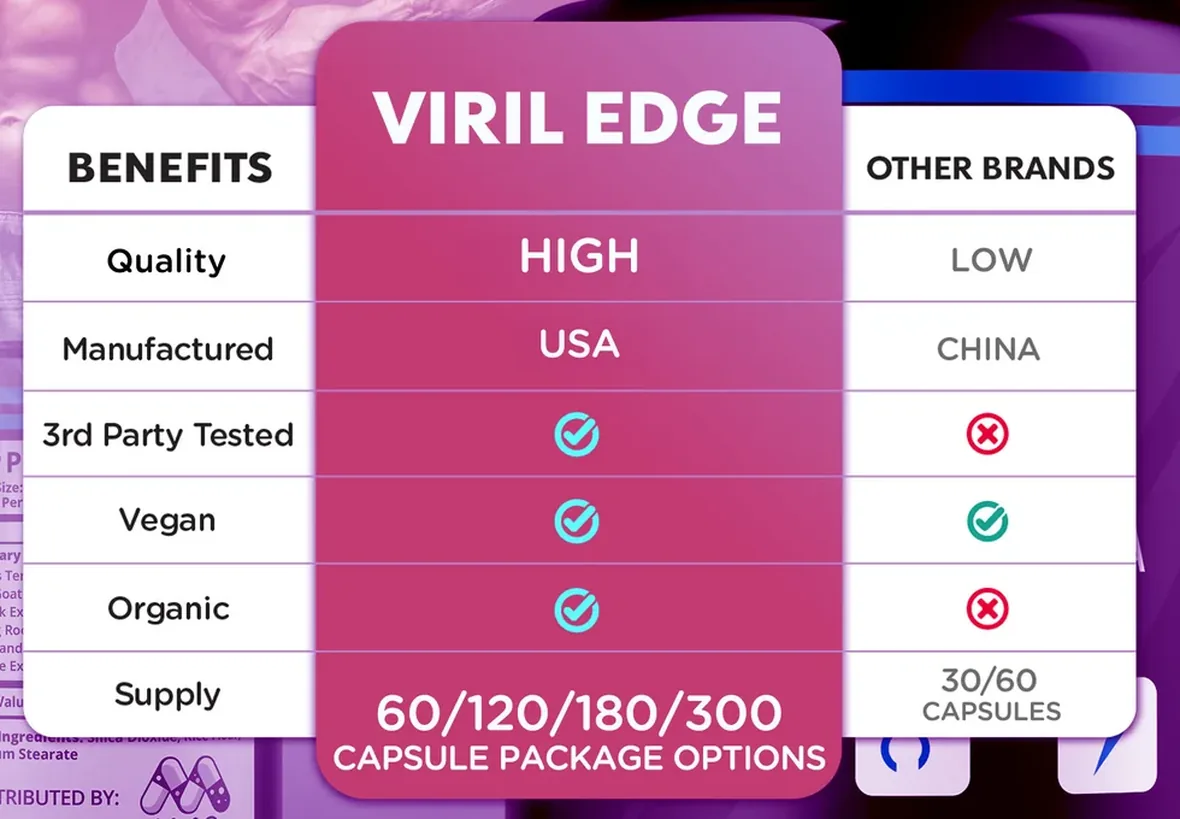
Three very different things wearing the same phrase
1. A graphic on the label
A circular badge reading "third party tested" or "lab tested", designed by the same person who designed the bottle. Nothing prevents a company printing it, and nothing about it names a laboratory, a test or a result. This is by far the most common version, and it carries no information.
2. A certificate of analysis
A document, usually one or two pages, produced by a testing laboratory for a specific batch. A good one names the product and lot number, the laboratory, the methods used, what was tested for and the numerical results with specifications. This is the version worth having, and a manufacturer who has one is generally happy to send it if you ask.
3. An independent certification programme
Schemes such as USP Verified, NSF Certified for Sport and similar third-party programmes test to a published standard, audit the manufacturing site, and — crucially — maintain a public registry. If a product claims one of these, you should be able to find it listed on the certifier's own website in under a minute. If you cannot, the claim is not what it appears to be.
What a real certificate of analysis contains
| Section | What to look for |
|---|---|
| Identity | The botanical or compound is what the label says it is |
| Potency | Actual amount per serving against the label claim |
| Heavy metals | Lead, arsenic, cadmium, mercury, with limits |
| Microbiology | Total counts, yeast and mould, absence of pathogens |
| Batch and date | A lot number that matches the bottle in your hand |
| Laboratory | A named lab, ideally accredited, not "our partner lab" |
Note the first two rows. Identity and potency are where a testing claim earns its keep, because they are the two things a shopper cannot check by any other means — and they matter most in exactly the products where a proprietary blend hides the amounts.
Why it matters more for some products than others
For a single-ingredient vitamin from a large manufacturer, a testing claim is reassurance. For a multi-botanical blend, it is closer to essential — botanical identity is a real problem in the supply chain, adulteration and substitution are documented, and heavy metals concentrate in root and bark material. And for anything containing a pharmacologically active alkaloid, an identity-and-potency certificate is the only thing standing between a buyer and a dose nobody intended.
How to check a claim in five minutes
- Search the certifier's public registry for the exact product name, if a programme is named.
- Look for a certificate of analysis on the product page, ideally per batch.
- Email and ask for the COA for your lot number. A real testing programme makes this routine; silence is an answer.
- Check whether the certificate names a laboratory and methods, or is an unbranded one-pager.
- Match the lot number on the certificate to the one printed on your bottle.
What to conclude when there is nothing to find
Not that the product is contaminated — most are not, and the absence of a published certificate is the industry norm rather than a red flag on its own. What it does mean is that the seal on the bottle told you nothing, and you are back to trusting the brand. Price that in. Published laboratory work keeps finding the gap a seal is supposed to close: an analysis of immune-support supplements in JAMA Network Open found labelled ingredients missing and unlabelled ones present across a substantial share of the products tested. Where two similar products differ only in that one publishes batch certificates, the choice is easy and it is worth paying for.
Testing is one criterion among several, and it helps to see where it sits in a whole purchase decision: how it ranks against dosing and transparency in an evidence-led buyer guide to natural testosterone boosters, how it interacts with the other trust signals in testosterone booster reviews worth weighing, and what it looks like beside the rest of a testosterone tablet label.
Medical note: general information, not medical advice. If you have had an unexpected reaction to a supplement, stop taking it and speak to a healthcare professional; adverse events can also be reported to the relevant national authority.
Scientific references
- US FDA — cGMP for dietary supplements
- NIH ODS — Dietary supplements: what you need to know
- NIH NCCIH — Finding reliable information
- Analysis of Select Dietary Supplement Products Marketed to Support or Boost the Immune System (JAMA Netw Open, 2022)
- Dietary Supplement Adulteration: Laboratory Approaches to Risk Mitigation (J Nat Prod, 2025)
- FTC — Health Products Compliance Guidance
Frequently asked questions
Is “third party tested” a regulated claim?
No. It is self-applied. No regulator issues or polices it, and the phrase does not name a laboratory, a test scope or a result.
What is a certificate of analysis?
A laboratory document for a specific batch, naming the product and lot, the lab, the methods, and the results for identity, potency, heavy metals and microbiology against stated specifications.
How can I verify a certification programme claim?
Independent programmes such as USP Verified and NSF Certified for Sport maintain public registries. Search the certifier's own website for the product; if it is not listed, the claim is not what it appears to be.
Does no published certificate mean a product is unsafe?
No. Not publishing is the industry norm. It does mean the seal told you nothing and you are relying on the brand's own word, which is worth factoring into the price comparison.
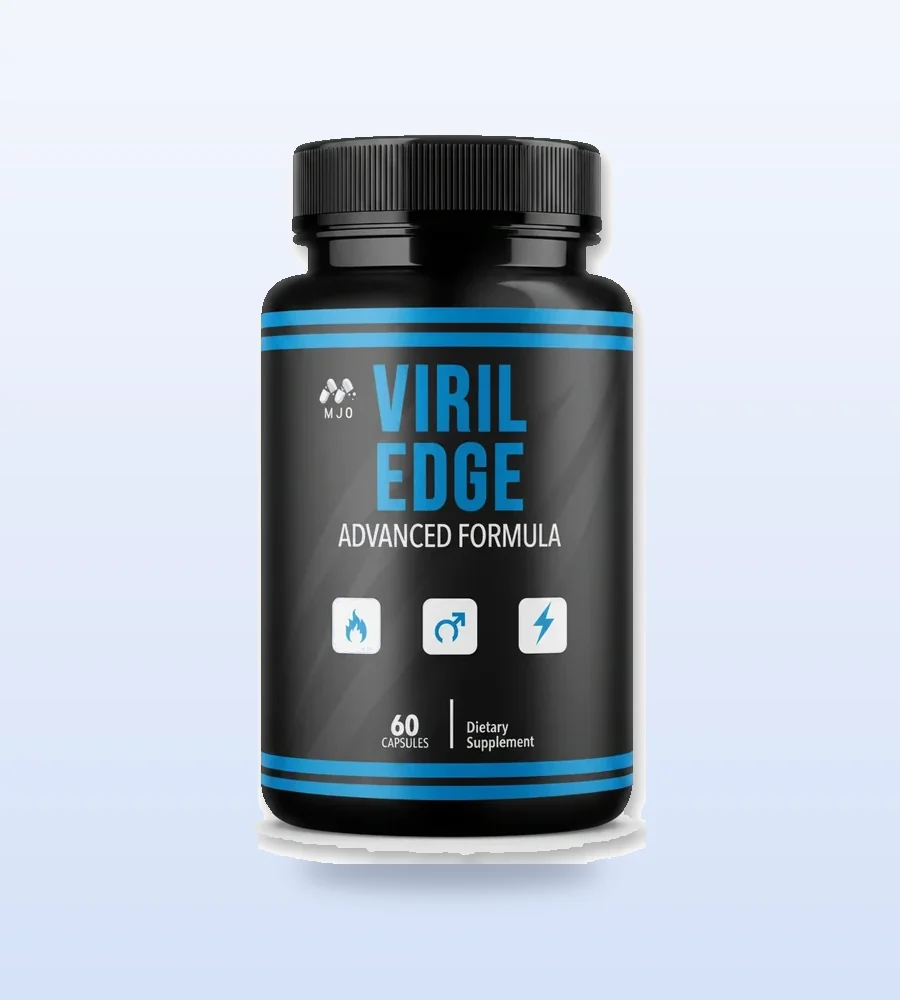
Viril Edge's chart ticks “3rd Party Tested”
We checked that claim, and the “Organic” one next to it, against what is actually published. Read the audit.
Read the Viril Edge Review