Fadogia Agrestis vs Tongkat Ali: A Safety Comparison
Quick Answer: Fadogia Agrestis vs Tongkat Ali — Which Is Safer?
On safety, tongkat ali is the better-supported choice. In the fadogia agrestis vs tongkat ali comparison, tongkat ali has multiple human trials and a documented tolerability profile, while fadogia agrestis has no published human testosterone studies and animal research flagging testicular changes at high doses. On current evidence, tongkat ali is the more defensible ingredient.
- Human data: tongkat ali has several small randomised trials; fadogia has none.
- Safety signal: fadogia shows dose-dependent testicular changes in rodents; tongkat ali is generally well tolerated at studied doses.
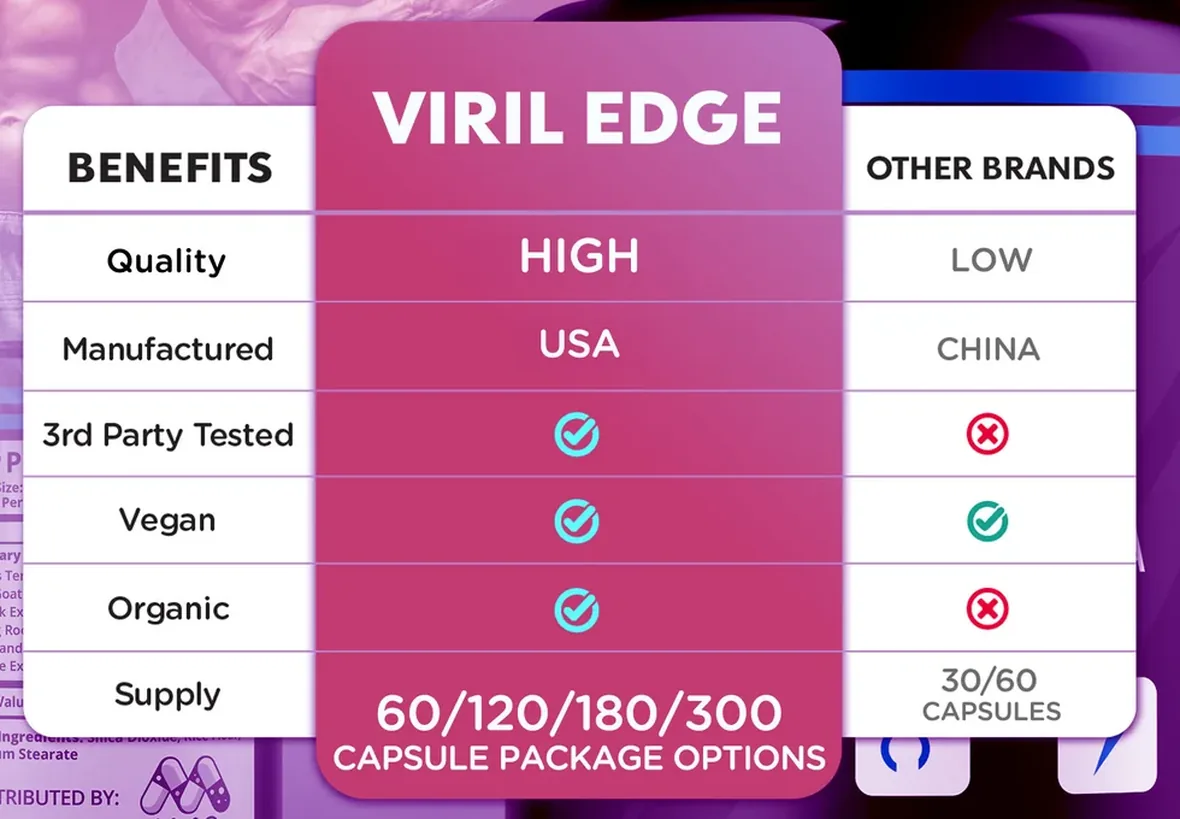
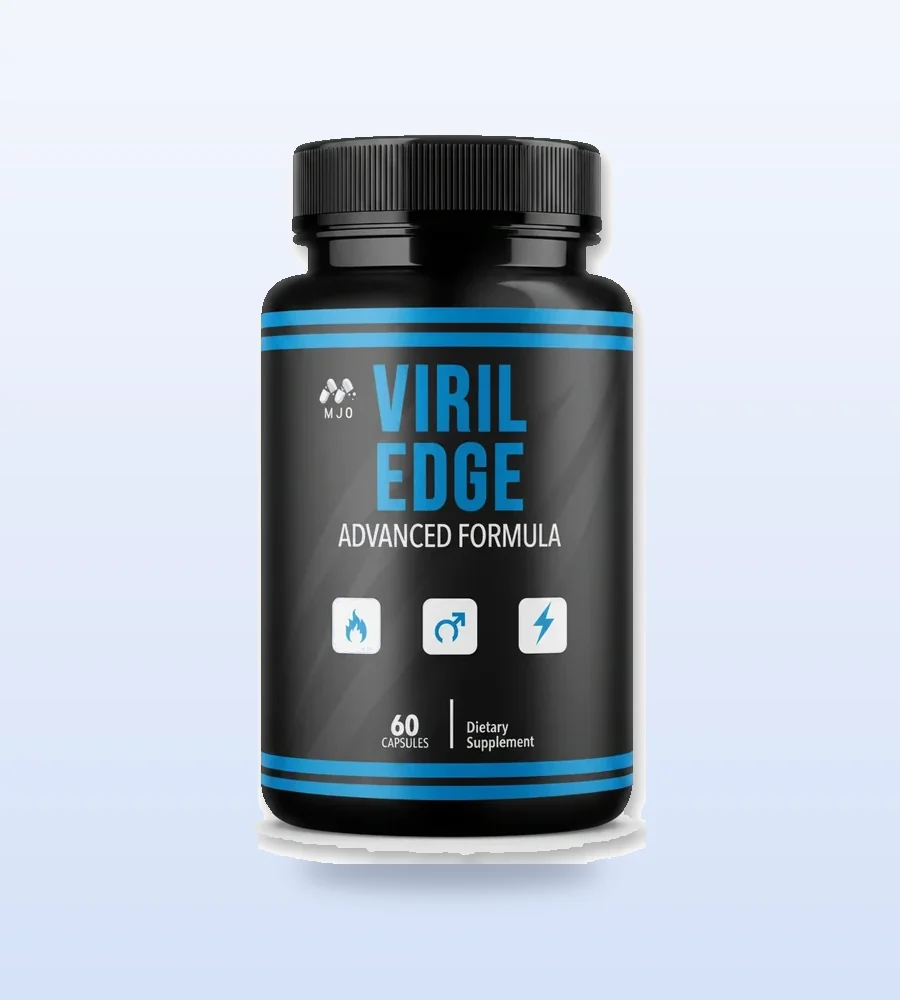
- Practical pick: a formula built on tongkat ali, such as Viril Edge, favours the ingredient with people-data behind it.
If you have spent any time in male-vitality forums or fitness videos lately, you have met the fadogia agrestis vs tongkat ali debate. Two obscure botanical names, two enthusiastic camps, and a lot of confident claims about testosterone. The honest starting point is unglamorous: these are not equals. One of them has been studied in human beings, and the other has not, and that single asymmetry decides most of what follows. This article compares fadogia agrestis and tongkat ali on the question that matters most before efficacy — safety — and explains why the weight of evidence points toward tongkat ali.
We are an affiliate publisher, so we will be upfront: we cover a tongkat-ali-containing formula and we think that is the more defensible ingredient to build a product around. But you do not have to take our word for the reasoning. The case rests on published research, or in fadogia's case the conspicuous absence of it, and you can check every claim against the sources listed at the end.
Why the fadogia agrestis vs tongkat ali question matters now
A few years ago almost nobody outside West Africa had heard of fadogia agrestis. It travelled from obscurity to trending supplement largely through podcasts and short-form video, where it was framed as a natural way to raise testosterone dramatically. Tongkat ali, known botanically as Eurycoma longifolia and traditionally in Malaysia as the plant that lends its name to countless energy tonics, has a longer commercial history and, importantly, a research history to match.
The reason the comparison keeps coming up is that the two herbs are marketed for the same promise: more testosterone, more drive, better training results. When two products chase the same claim, shoppers reasonably want to know which one is backed by more than enthusiasm. The useful lens is not which herb has the louder fan base but which one has been examined in people, at what doses, and with what safety findings. Framed that way, the fadogia agrestis vs tongkat ali contest is surprisingly lopsided.
Tongkat ali: what the human evidence actually shows
Eurycoma longifolia has attracted genuine scientific interest, and the part that matters is that some of that interest produced human trials rather than only laboratory work. Small randomised, placebo-controlled studies have tested standardised water-soluble root extracts, most often in the range of roughly 200 to 400 milligrams a day, over periods from a few weeks to a few months.
The reported findings are modest and should be read as supportive rather than dramatic. Several trials have described reductions in stress markers such as cortisol, improvements in self-reported wellbeing, and in some studies changes in hormonal measures including testosterone in men who started with lower levels or elevated stress. The literature is not enormous, the studies are small, and much of it uses a single proprietary extract, which makes the results harder to generalise. But the crucial fact remains: this is a herb that has been put in front of human volunteers under controlled conditions, and it was generally well tolerated when it was.
That tolerability record is the safety half of the story. Across the human trials, tongkat ali at studied doses has not produced the kind of alarming adverse-event signal that would take it off the table for healthy adults, though as with any supplement there are cautions around dose, extract quality and interactions. If you want the wider context on how supplement categories perform under scrutiny, our overview of Why a Bottle Tells You to Finish It Within 60 Days of Opening lays out how to read this kind of research without over-promising.
Fadogia agrestis: popular online, thin on human data
Fadogia agrestis is a shrub native to parts of Africa, used traditionally as an aphrodisiac. Its modern reputation, though, does not come from that tradition or from clinical research. It comes almost entirely from a small number of animal studies and from social media amplification. The most frequently cited paper is a rodent study that reported increases in serum testosterone and sexual behaviour in rats given a fadogia extract.
Two things about that study deserve emphasis. First, it was conducted in rats, not people, so it tells you what happened to a rodent's hormones and behaviour, not what will happen in a human man. Second, the very same body of animal research raised a safety flag: at higher doses, fadogia was associated with changes in testicular tissue, alterations in organ weight and markers suggestive of toxicity. In other words, the same rodent literature that fuels the excitement also contains the warning.
The decisive point for a fadogia agrestis vs tongkat ali safety comparison is simple and it bears repeating: there are no published randomised controlled trials of fadogia agrestis in humans. No established dose. No human tolerability record. No long-term safety data in people. When a supplement has never been studied in the population meant to take it, "we do not know" is not a technicality; it is the headline.
Prefer the ingredient with human data behind it?
Viril Edge builds its blend on tongkat ali (Eurycoma longifolia), the botanical in this comparison that has actually been tested in people, alongside five other traditional ingredients in a single 838 mg daily blend. The official store lists current package options and the full label.
Check Current Package Options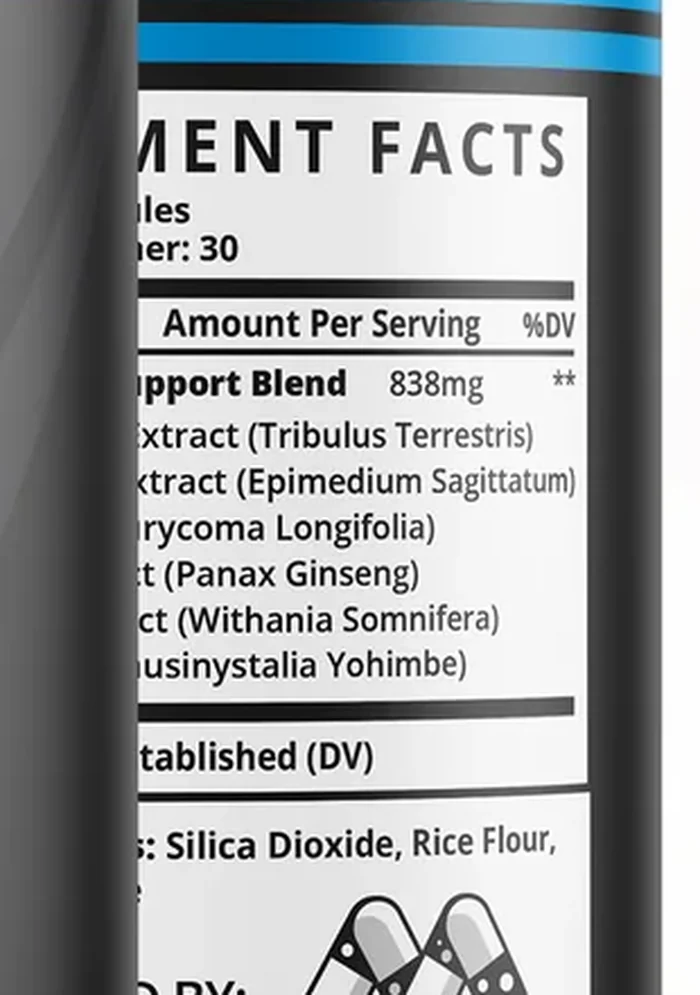
The safety comparison, side by side
The table below summarises where each herb stands. "Human trials" means published randomised studies in people, not animal work or testimonials, and the safety column reflects the balance of the available literature rather than a guarantee about any individual.
| Factor | Tongkat ali (Eurycoma longifolia) | Fadogia agrestis |
|---|---|---|
| Human trials | Several small randomised, placebo-controlled studies | None published |
| Typical studied dose | About 200–400 mg/day standardised extract | No established human dose |
| Testosterone evidence | Modest, mixed, mostly in stressed or lower-baseline men | Rodent data only; no human data |
| Documented safety signal | Generally well tolerated at studied doses | Testicular and organ changes at high doses in rodents |
| Regulatory / research status | Studied ingredient with characterised extracts | Emerging, largely un-studied in humans |
| Main caution | Extract quality, sourcing, interactions | Unknown human safety; potential toxicity |
Read across the rows and the pattern is consistent. Tongkat ali is not a miracle, and we are not going to pretend the human evidence is overwhelming, because it is not. But "modest evidence with a reasonable safety record" beats "no human evidence with an animal toxicity flag" every time you are deciding what to put in your body.

Three myths and objections, addressed honestly
Myth 1: "Fadogia raises testosterone more, so it must be the better choice." The claim that fadogia produces a bigger testosterone jump comes from rodents, and a large effect in a rat does not transfer to a human at a known dose, or at any dose, until someone runs the trial. A dramatic animal result with no human confirmation is a hypothesis, not a benefit. Tongkat ali's smaller, human-measured effect is worth more than fadogia's larger, unmeasured one precisely because it was measured in people.
Objection 2: "Tongkat ali is just another herb with no real proof." This is fair scepticism aimed at the wrong target. Tongkat ali is not backed by definitive proof of a large effect — few supplements are — but it is genuinely backed by randomised human trials, which is a categorically different situation from fadogia. The correct level of confidence in tongkat ali is "promising and reasonably safe," and the correct level of confidence in fadogia for humans is "unknown." Those are not the same, and treating them as equivalent is the actual error.
Myth 3: "It is natural, so newness does not matter." Natural and safe are not synonyms, and this is the myth that fadogia's popularity most depends on. Yohimbine is natural and behaves like a drug; many plant toxins are entirely natural. The relevant question is not whether a compound grows on a shrub but whether it has been shown to be tolerable in people. On that test, fadogia's very newness is the problem, because there simply has not been time or research to establish a human safety record. If you want a worked example of a "natural" ingredient that demands real caution, read our breakdown of yohimbe safety, dosing and label accuracy.
A big effect in a rat with an attached toxicity warning is not a shortcut. A modest effect measured in people is not a compromise. In a safety comparison, the herb that was actually studied in humans wins on the merits.
What a safe tongkat ali dose looks like
Because tongkat ali has human trials, we can at least describe what was studied, which is more than can be said for fadogia. Most trials used a standardised, water-soluble Eurycoma longifolia root extract at roughly 200 to 400 milligrams a day, taken for anywhere from two weeks to several months. Those doses were generally well tolerated by the volunteers.
Describing the studied dose is not the same as recommending one for you, and a few practical checks matter more than the number itself. Look for the extract to be standardised, ideally to a stated percentage of its characteristic constituents, rather than listed as unspecified root powder. Prefer sellers who publish third-party testing, because tongkat ali is one of the botanicals where market analyses have found adulteration and heavy-metal contamination in some samples. And if you take medication or have a heart, liver, thyroid or blood-pressure condition, clear it with a clinician first. For a wider view of how to weigh a herb like this against its neighbours, see how tongkat ali compares with other traditional male tonics across cultures.
Where Viril Edge sits in this comparison
Viril Edge is built on a single 838 mg blend of six botanicals, and tongkat ali (Eurycoma longifolia) is one of them. It is, in other words, a formula that sides with the better-evidenced ingredient in this debate rather than chasing the trending one. You will not find fadogia agrestis on the panel, and given the state of the human evidence, we regard that as a feature rather than an omission.
In the interest of the honesty we promise readers, two caveats belong here. Viril Edge uses a proprietary blend, so the exact milligrams of tongkat ali are not disclosed on the label; spread across six botanicals, 838 milligrams cannot deliver a trial-level dose of every ingredient at once. And the blend includes yohimbe, which we treat as the one component that needs its own safety conversation. We would rather set that out plainly than imply a precision the label does not provide. What we can say cleanly is this: on the specific question of fadogia agrestis vs tongkat ali, Viril Edge is built on the herb with people-data behind it.
Medical note: this article is general information about two herbal ingredients and the research on them, not medical advice. Dietary supplements are not intended to diagnose, treat, cure or prevent any disease, including low testosterone or erectile difficulty. Persistent symptoms deserve a clinician, because they can be the first sign of a cardiovascular or metabolic issue. Speak to a qualified healthcare professional before starting any supplement, especially if you take medication or have a heart, liver, thyroid or blood-pressure condition.
Frequently asked questions
Is fadogia agrestis safe to take?
There is not enough human data to call fadogia agrestis safe with any confidence. It has no published human trials, so there is no established dose, no tolerability record and no long-term safety data in people. Animal studies at high doses have reported changes in testicular tissue and organ markers, which is a reason for genuine caution rather than reassurance. Anyone considering it should speak to a clinician first, particularly alongside any medication.
Which is better, fadogia agrestis or tongkat ali?
On the balance of evidence and safety, tongkat ali is the better-supported choice. Tongkat ali has several small randomised human trials and a documented tolerability profile at commonly studied doses, while fadogia agrestis rests on animal and traditional use with no human testosterone studies. If you want an ingredient with people-data behind it, tongkat ali is the more defensible pick today.
Does fadogia have human studies?
No. As of now there are no published randomised controlled trials of fadogia agrestis in humans for testosterone, libido or any other endpoint. Its reputation comes from rodent studies and from social media rather than from clinical research. That absence of human data is the single most important fact in any honest fadogia agrestis vs tongkat ali comparison.
What is a safe tongkat ali dose?
Human trials of tongkat ali have most often used roughly 200 to 400 milligrams a day of a standardised water-soluble root extract, typically for a few weeks to a few months, and these doses were generally well tolerated. That is a description of what was studied, not a personal recommendation. Confirm the extract standardisation on the label and check with a healthcare professional before starting.
Scientific references
- PubMed — randomised controlled trials of Eurycoma longifolia (tongkat ali)
- PubMed — Fadogia agrestis rodent study on sexual behaviour and serum testosterone
- LiverTox — herbal and dietary supplements safety monographs
- NIH Office of Dietary Supplements — dietary supplements background
- Harvard Health Publishing — Testosterone: what it does and doesn't do
Related reading
What to look for in a natural testosterone booster for men
How to separate evidence-backed ingredients from marketing, and which botanicals earn a place on the panel.
Read the article →
Yohimbe safety, dose and why it matters on the label
A worked example of a natural ingredient that behaves like a drug, and what to check before taking it.
Read the article →
Traditional male tonics across cultures, examined
Where tongkat ali sits among ginseng, ashwagandha and the other botanicals that fill men's formulas.
Read the article →
Choose the herb with human data behind it
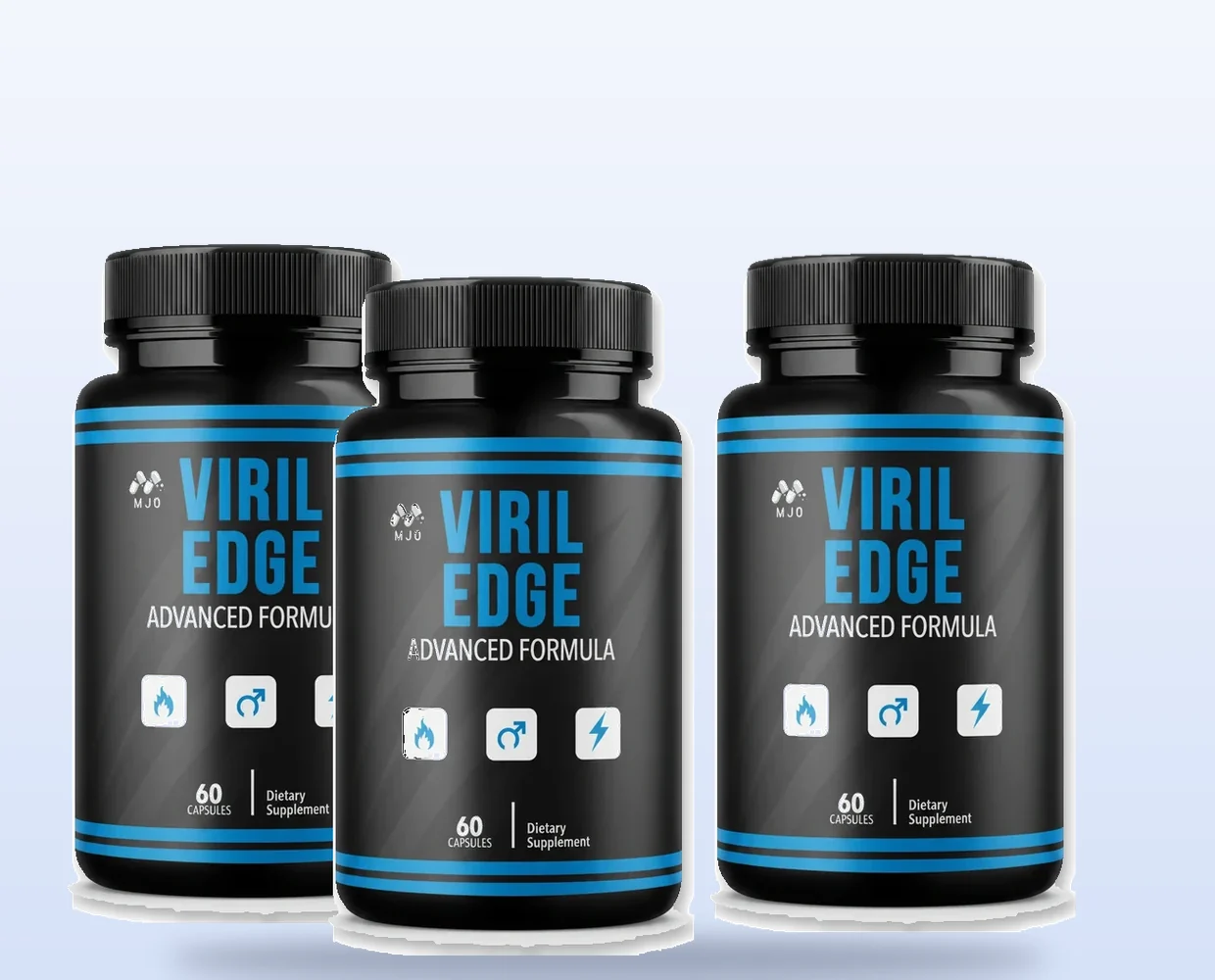
Viril Edge is built on tongkat ali rather than trending, un-studied fadogia — six botanicals in a single 838 mg daily blend. See what the official store lists today, including current multi-bottle package options.
See Package Options