Best Male Enhancement Products on the Market: Pills, Powders, Patches and Drinks Compared
Quick Answer: Which Are the Best Male Enhancement Products on the Market?
Format is not what makes a product good. Across pills, powders, patches and drink mixes, the products worth considering are the ones that print a per-ingredient amount in milligrams, use amounts that match what human trials actually tested, and can show a third-party certificate of analysis. On that test capsules and powders usually win, because they are the only two formats that routinely carry enough material to reach a trial-sized dose and the only two that the published research has generally used.
- Capsules: best dose-per-unit and the format most human studies used; slow, unglamorous, easy to verify.
- Powders and drink mixes: can carry larger amounts, but scoop-measured servings vary and flavouring hides a lot.
- Patches, gummies and shots: convenient, but they typically deliver the least active material per serving and publish the least data.
The four formats, and what each one actually is
Walk any supplement aisle and the same botanicals show up in four physically different products. A capsule is a measured quantity of powdered extract inside a gelatin or plant-cellulose shell that opens in the stomach in a few minutes. A powder is the same material without the shell, measured by scoop. A patch is an adhesive carrying a solution intended to pass through skin. A drink, whether a ready-to-drink shot or an effervescent tablet, is the material dispersed in liquid, usually with sweetener and flavour.
Those four things are marketed as if they were four strategies. They are really four engineering trade-offs between how much active material you can fit in a serving, how accurately that serving is measured, how pleasant it is to take, and how much it costs to manufacture. Nothing about a format makes an ingredient work; it only changes how much of the ingredient arrives, and how confident you can be about the number.
That is why any honest ranking of the best male enhancement products on the market has to start with the panel rather than the packaging. Two products can share an ingredient list and differ tenfold in the amount of that ingredient delivered per day, and the format is a poor guide to which is which.
Capsules and tablets: the format the research was built on
Capsules have one decisive advantage that has nothing to do with biology: the dose is fixed at the factory. Two capsules are two capsules. There is no scoop to level, no measuring, no settling in the tub. When you compare a tablet or capsule label against a published trial, you are comparing like with like, because the overwhelming majority of human studies on ginseng, ashwagandha, tongkat ali and similar botanicals used capsules of a standardised extract.
The real limit of the format is volume. A large capsule holds roughly 500 to 800 milligrams of packed powder, so a two-capsule serving tops out somewhere near 1,600 milligrams for everything combined. Once a formula lists six or eight botanicals, that ceiling starts to bite, and the per-ingredient amount falls below what the trials used. The gap is easiest to see with vitamin D, zinc and magnesium, where the studied intakes are published to the milligram and the arithmetic is unambiguous. This is the arithmetic behind most disappointing blends: not a bad ingredient list, just too many names sharing too little space.
Tablets can hold more by compressing harder, at the cost of needing binders and sometimes disintegrating slowly. For botanical blends the practical difference is small. If you are weighing capsules against anything else, weigh the milligram numbers, not the shell.
Powders and drink mixes: more room, less precision
A powder removes the volume ceiling. A five-gram scoop can carry several grams of a single extract, which is why creatine, citrulline and similar high-dose ingredients are sold this way and rarely encapsulated. If a formula genuinely needs three grams of something, a powder is the only sensible delivery.
The trade-offs are real, though. Scoop-measured servings are approximate; powders settle in transit, so an early scoop and a late scoop from the same tub are not identical. Bitter botanicals need masking, which means sweeteners, flavours and sometimes a large share of the scoop given over to things that do nothing. And a powder that lists a "proprietary matrix" is exactly as opaque as a capsule that does, with more grams to hide inside.
Powders also invite over-serving. It is easy to take a heaped scoop of something pleasant tasting, which matters most when the formula contains anything with a genuine dose ceiling.
See the panel before you compare anything
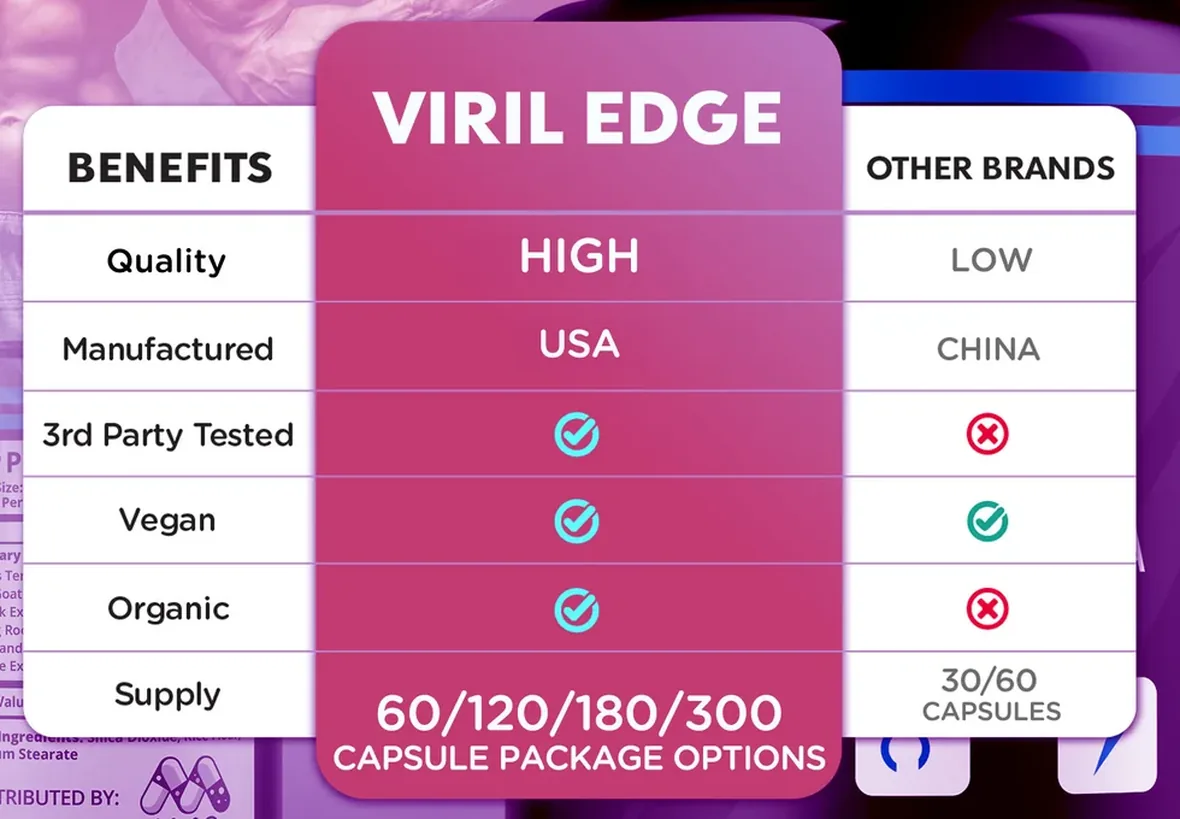
Viril Edge is a 60-capsule, two-capsule-a-day formula built on a single 838 mg blend of six botanicals. The full panel transcription, the blend arithmetic and the yohimbe question are all on the main page, and current package options are listed at the official store.
Check Current Package OptionsPatches: where the skin becomes the bottleneck
Transdermal patches are a legitimate pharmaceutical technology. Nicotine, hormone and scopolamine patches work, and they work because the molecule involved is small, fat-soluble, active at very low amounts, and paired with a delivery system built specifically for it.
Botanical extracts fail most of those tests at once. They are complex mixtures, many of their constituents are large or water-loving molecules, and the amounts used in trials are measured in hundreds of milligrams rather than the fractions of a milligram that transdermal delivery comfortably handles. The outer layer of skin is a barrier by design, and getting a herbal extract across it in a meaningful quantity is a genuinely hard problem that a sticker does not solve by itself.
None of this proves a given patch does nothing. It does mean the burden of proof sits with the seller, and the specific thing to look for is absorption data: a published measurement of how much of the labelled ingredient actually reaches the bloodstream. In this category that document is almost never offered. Claims that a patch "bypasses the liver" are true of pharmaceutical patches in principle and say nothing about whether a botanical patch delivers a useful amount.
Gummies and shots: the formats that give up the most
Gummies solve one real problem: some people will not swallow capsules, and a supplement not taken does nothing at all. That is a genuine argument in their favour.
What they give up is space. Most of a gummy is sweetener, gelling agent, colour, acid and flavour, which leaves a small fraction for anything active. Heat is involved in manufacture, and not every botanical constituent survives it well. Sugar or sugar alcohols come along for the ride, and a daily habit of several gummies is a daily habit of those too. When a men's formula is offered as both a capsule and a gummy, comparing the two Supplement Facts panels side by side is usually the fastest education available in the category.
Liquid shots sit in between. They can carry a decent amount of a water-soluble ingredient and they act as their own dose measure, but they need preservatives, they are heavy to ship, and the cost per serving is generally the highest of the four formats.
The four formats side by side
The table below compares the formats on the things that determine whether a serving does anything, rather than on how the box looks. "Evidence base" refers to how often that format was the one used in published human trials of the relevant botanicals.
| Format | Typical active material per serving | Dose accuracy | Relative cost per serving | Evidence base |
|---|---|---|---|---|
| Capsules | Up to roughly 1,600 mg across two capsules | High — fixed at manufacture | Low | Strongest; most trials used capsules |
| Tablets | Similar or slightly higher, with binders | High | Low | Moderate |
| Powders | Grams, if the formula wants them | Moderate — scoop and settling vary | Low to moderate | Strong for high-dose single ingredients |
| Gummies | Small; most of the mass is not active | High per unit, low per milligram | Moderate | Weak |
| Drinks and shots | Moderate, limited by solubility | High | Highest | Weak |
| Patches | Unquantified in most products | Unknown | Moderate to high | Very weak for botanicals |
What none of these formats can do
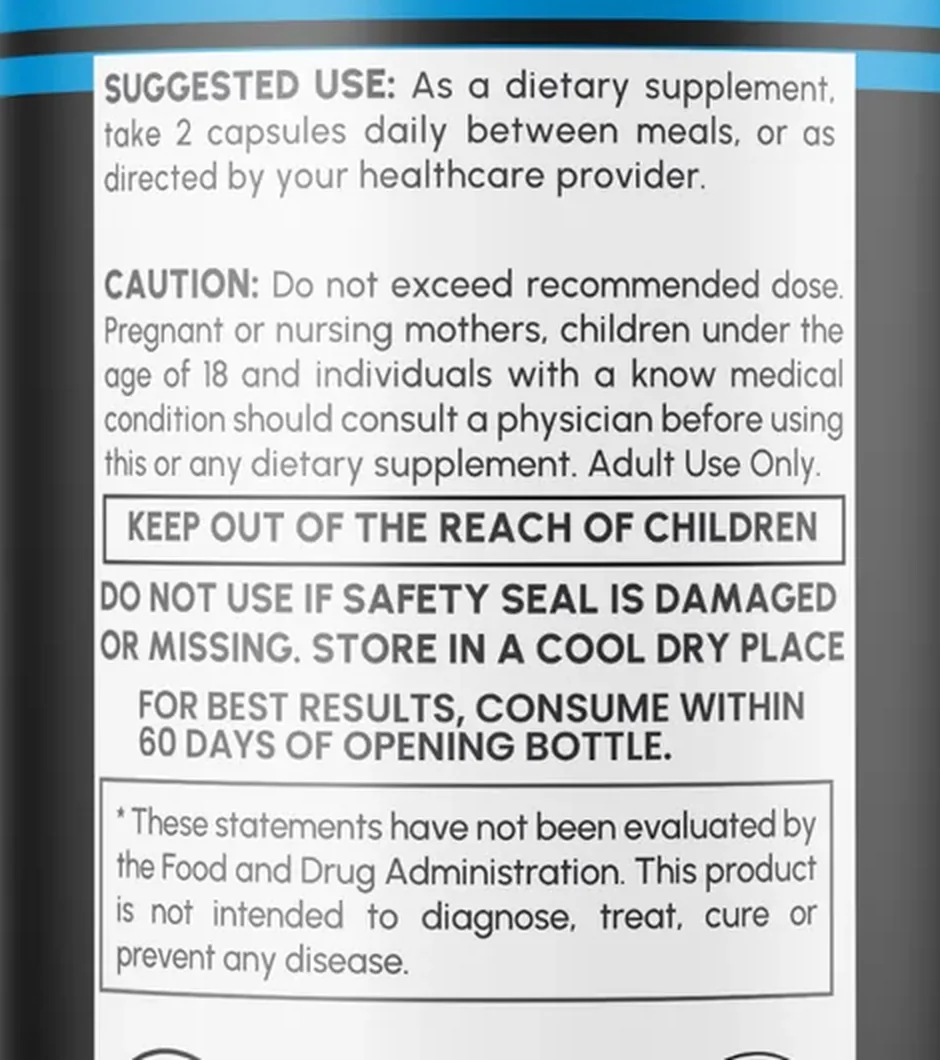
This is the section that most format comparisons leave out, so here it is plainly. No delivery format changes anatomy. No supplement in any format is a treatment for erectile dysfunction, low testosterone or any other diagnosed condition; those are medical problems with medical evaluations and, where appropriate, prescription options. Products sold as dietary supplements are not permitted to claim otherwise, and a product that does claim otherwise has told you something important about itself.
Second, the evidence underneath most of these botanicals is thinner than the packaging implies. Panax ginseng and ashwagandha have the largest human literature of the group, and even there the trials are mostly small, short and varied in design. Tribulus terrestris has been studied repeatedly for testosterone effects in men with generally unimpressive results. Changing the format of a weakly supported ingredient does not strengthen the evidence for it.
Third, a format cannot rescue an undisclosed dose. If a panel shows one blend total and no per-ingredient amounts, you cannot tell whether you are getting a trial-sized amount or a token pinch, and that is equally true of a capsule, a scoop or a gummy.
Format is a delivery question. Dose, purity and evidence are the product questions. A convenient way to take an unknown amount of something is still an unknown amount of something.
How to compare two products in five minutes
The following sequence works in a shop aisle or a browser tab, and it is the same sequence whether you are looking at the best male enhancement supplements on the market or the cheapest thing on the shelf.
- Find the serving size and servings per container. Everything else is meaningless until you know what a "serving" is. Two capsules a day from a 60-count bottle is one month; four a day is half that.
- Look for per-ingredient milligrams. If they are there, compare them against the amounts used in published trials of that ingredient. If they are not, note the product as unquantified.
- Read the blend order. US rules require blend components to be listed in descending order by weight, so the last name in a blend is the smallest share. That single convention carries a surprising amount of information, and it matters most for pharmacologically active ingredients such as yohimbe, which deserves its own set of checks.
- Check for a certificate of analysis. A named laboratory, a batch number and a date. A tick in a marketing table is not this.
- Read the caution panel. Interactions, age restrictions and the "consult a physician" line tell you what the manufacturer expects to matter.
- Price it per day, not per bottle. Serving size differences between formats make bottle-to-bottle comparisons misleading in both directions.
People often ask what the best place to buy male enhancement pills is, and the format question turns out to be secondary to that one. Buying from the manufacturer or an authorised seller is what gives you a batch you can trace, a guarantee that is honoured, and a label that matches what is in the bottle. The best male enhancement pills sold in stores and the same product bought through an unauthorised third-party listing are not always the same product.
Where this leaves a capsule blend
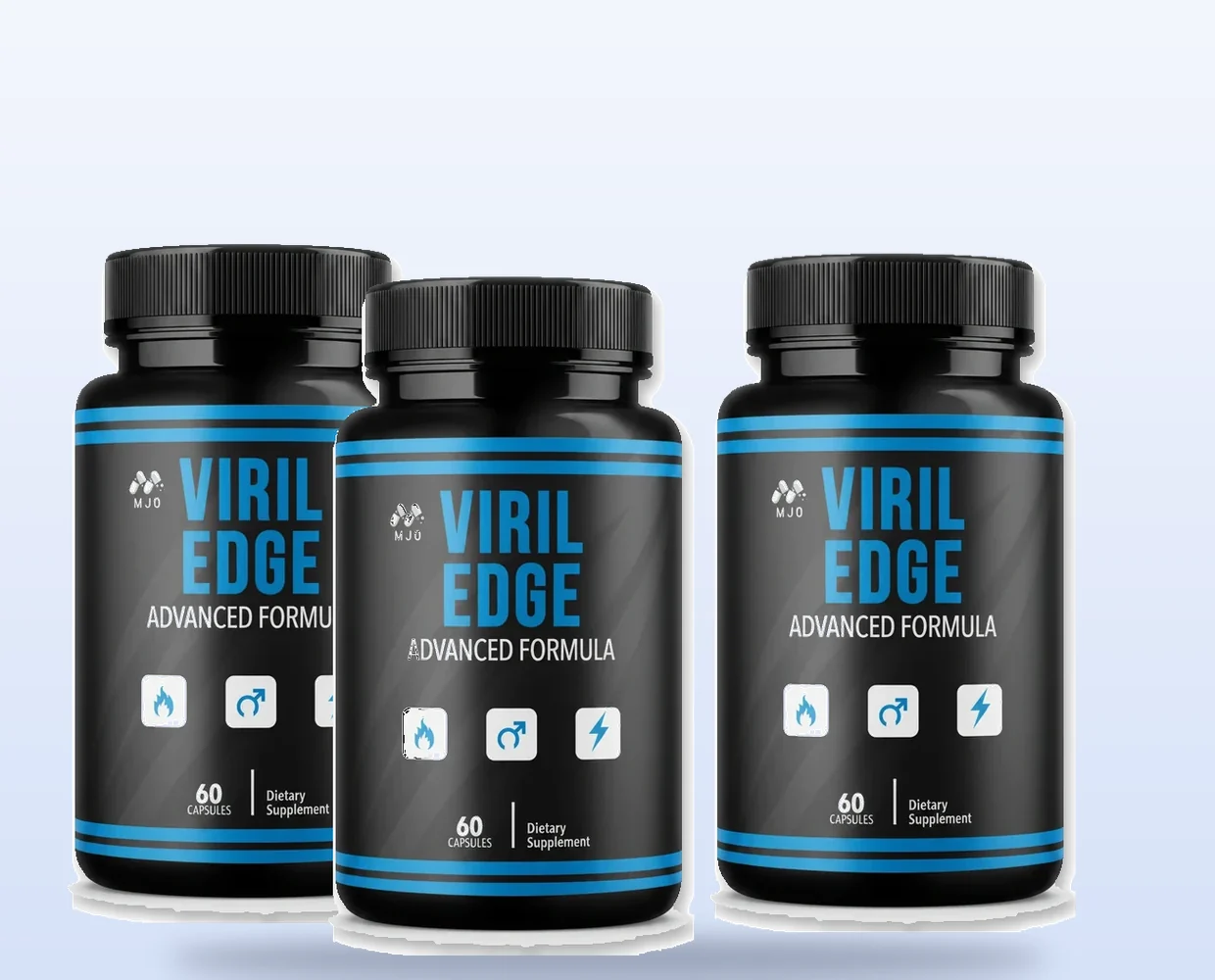
If you have decided the capsule format suits you, the remaining questions are the same ones this article has been asking throughout: how much is in the serving, how it is split, and what the evidence says about each name on the list. Viril Edge is a capsule product built on a single 838 mg blend of six botanicals, taken as two capsules a day, and the main page transcribes the panel in full rather than paraphrasing it. It is a useful worked example of the arithmetic in this article: one blend total, six names, and a descending order that tells you more than the marketing does.
That worked example cuts both ways, which is the point. A single blend total means the per-ingredient amounts are not disclosed, and we say so on the page rather than around it.
Medical note: this article is general information about supplement formats, not medical advice. Dietary supplements are not intended to diagnose, treat, cure or prevent any disease. Speak to a qualified healthcare professional before starting any supplement, particularly if you take prescription medication or have a heart, blood-pressure or mental-health condition.
Frequently asked questions
Which supplement format is absorbed best?
For most botanical ingredients, a powder dissolved in water and a capsule that dissolves in the stomach end up in much the same place, because the capsule shell opens within minutes and the contents behave like the powder. The bigger differences in how much reaches your bloodstream come from the compound itself, from whether you take it with food, and from the extract ratio, not from the shape of the product.
Are supplement patches better than capsules?
There is no good evidence that they are, and there is a physical reason to be doubtful. Skin is a deliberate barrier, and the molecules that cross it well are generally small, fat soluble and delivered in a system engineered for the job. Most botanical extracts are large mixtures that do not meet those conditions, and patch products rarely publish absorption data.
Do gummies work as well as capsules for men's supplements?
Gummies can carry a real dose, but they carry less of it. A gummy is mostly sugar or a sugar alcohol plus gelling agent and flavour, which leaves little room for active ingredients, and heat sensitive botanicals do not always survive the manufacturing process well. They are a reasonable choice if you will not swallow a capsule, and a poor one if dose is your priority.
How can I tell whether a product's dose is high enough?
Look for a per ingredient amount in milligrams on the Supplement Facts panel and compare it with the amounts used in published human trials of that ingredient. If the panel shows only a single proprietary blend total, you cannot do that comparison, and the honest conclusion is that the dose is unknown rather than that it is adequate.
Scientific references
Compare the capsule format on its own panel
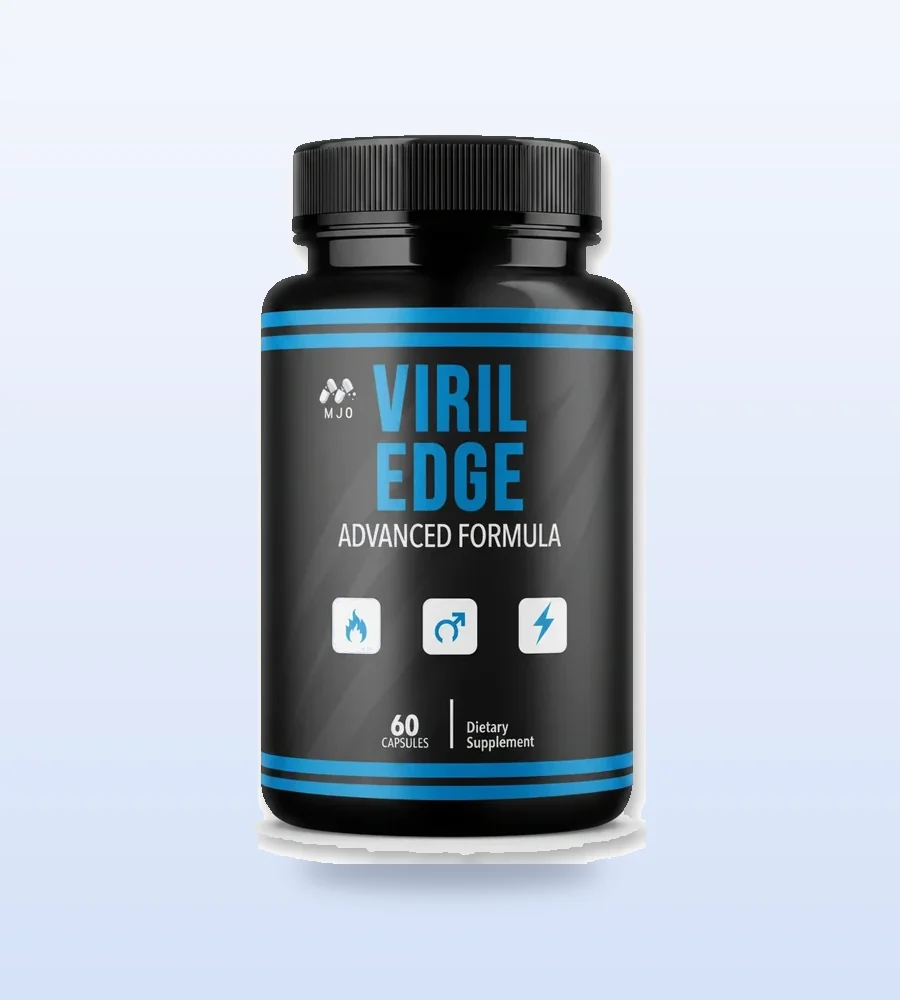
Two capsules a day, one 838 mg blend, six botanicals in descending order. See the current package options and what the official store lists today.
See Package Options