Vitamin D, Zinc & Magnesium for Testosterone: The Three Supplements to Increase Testosterone That Actually Have Evidence
Quick Answer: Which Supplements to Increase Testosterone Have the Best Evidence?
Among supplements to increase testosterone, three micronutrients carry the most credible human evidence: vitamin D, zinc and magnesium. Testosterone synthesis depends on all three, so correcting a deficiency in any one can help the body resume normal production. The catch is that benefits appear mainly in men who were low, and stacking sensible doses beats megadosing a single nutrient.
- Magnesium: ~450 mg/day was linked to a ~24% testosterone rise over four weeks.
- Vitamin D: ~3,332 IU/day raised levels ~25% over a year in deficient men.
- Zinc: deficiency lowers testosterone; repletion helps — stay under the ~40 mg/day upper limit.
Search "supplements to increase testosterone" and you will drown in exotic herbs, wonder-molecules and proprietary blends promising a fixed percentage jump by next Tuesday. Strip that noise away and a much shorter, much more honest list survives peer review: vitamin D, zinc and magnesium. These three micronutrients are not marketing inventions — they are ingredients your body physically needs to manufacture testosterone, and when one is missing, production suffers. This article is the deep dive: what each does, the doses that appeared in studies, the food sources, the safety ceilings, and why a sensibly stacked formula tends to beat chasing one nutrient in isolation.
We will keep two guardrails up throughout. First, these nutrients work mainly by correcting a deficiency, so the men who gain the most are the ones who were low to begin with. Second, more is not better — each has an upper limit, and zinc in particular punishes overenthusiasm. Understand those two rules and you already understand this category better than most of the ads targeting you.
Why These Three Micronutrients Sit at the Top
Testosterone is built through a multi-step enzymatic pathway, and micronutrients act as the cofactors and signals that keep that pathway running. Zinc participates directly in the machinery of hormone production in the testes. Magnesium influences how much testosterone circulates in its free, biologically active form rather than bound to proteins, and it underwrites the deep sleep during which much of your testosterone is made. Vitamin D functions more like a hormone than a vitamin and is associated with healthier testosterone across large populations of men. Deficiency in any of the three drags the system down; repletion lets a normal body work normally.
That is a very different claim from "this pill spikes your testosterone." It is the difference between removing a brake and pressing an accelerator that does not exist. It is also why testing matters so much here — the same dose that transforms a deficient man does almost nothing for one who is already replete.
Magnesium: The Best Numbers in the Category
Magnesium is under-consumed by a large share of adults, which makes it a frequent hidden gap and a prime target among supplements to increase testosterone. The headline study is worth memorising: an intake in the region of 450 mg of magnesium a day was associated with a testosterone increase of about 24% over four weeks, with the effect most pronounced in physically active men. Beyond hormones, adequate magnesium supports sleep quality and muscle recovery, both of which feed back into a healthier hormonal picture.
The practical target is roughly 400 to 420 mg a day for adult men, from food first — spinach, almonds, cashews, peanuts, pumpkin seeds, black beans and whole grains — and a supplement to top up the shortfall. Common supplemental forms include magnesium citrate and glycinate, which are generally well tolerated; magnesium oxide is cheaper but less absorbable and more likely to loosen the bowels. There is a supplemental upper limit around 350 mg from supplements specifically (separate from food), so a modest top-up rather than a mega-dose is the sensible play.
Vitamin D: The "Sunshine Hormone" Worth Testing For
Vitamin D deficiency is widespread, especially among men who work indoors or live at higher latitudes, and low status tracks with lower testosterone across large studies. The most-cited trial gives us a concrete number: in deficient men, a daily dose of about 3,332 IU of vitamin D over a year was associated with a testosterone increase of roughly 25% versus placebo. The crucial word is deficient — the men who responded had a real gap to close.
This is the one nutrient where a blood test genuinely changes the plan. If you are low, correcting it is cheap, safe within sensible limits, and measurable. If you are already sufficient, more vitamin D does not push testosterone higher and only raises the (small but real) risk of overdoing a fat-soluble vitamin. Food sources — salmon, tuna, mackerel, egg yolks and fortified products — help, but for a genuinely deficient man, a supplement taken with a fat-containing meal is usually the efficient fix. Because it is fat-soluble, vitamin D also stores in the body, so consistent daily or weekly dosing beats erratic megadoses.
Zinc: Essential, Effective in Deficiency, Easy to Overdo
Zinc is the mineral most tightly bound to male hormonal health. It is essential — your body cannot make it — and zinc deficiency is reliably linked to low testosterone, while repletion supports testicular production. It also plays a role in immune function and sperm health, which is why it shows up in so many men's formulas.
The important nuance is the ceiling. The adult target is around 11 mg a day, and the tolerable upper limit is about 40 mg a day from all sources. Sustained intakes above that can interfere with copper absorption, blunt immune function and, ironically, work against you. So zinc is the clearest example of the whole category's golden rule: fix the gap, do not megadose. Oysters, beef, beans, pumpkin seeds and cashews are the food anchors; a modest supplemental dose closes any remaining shortfall without flirting with the upper limit.
Get all three in one sensible daily formula
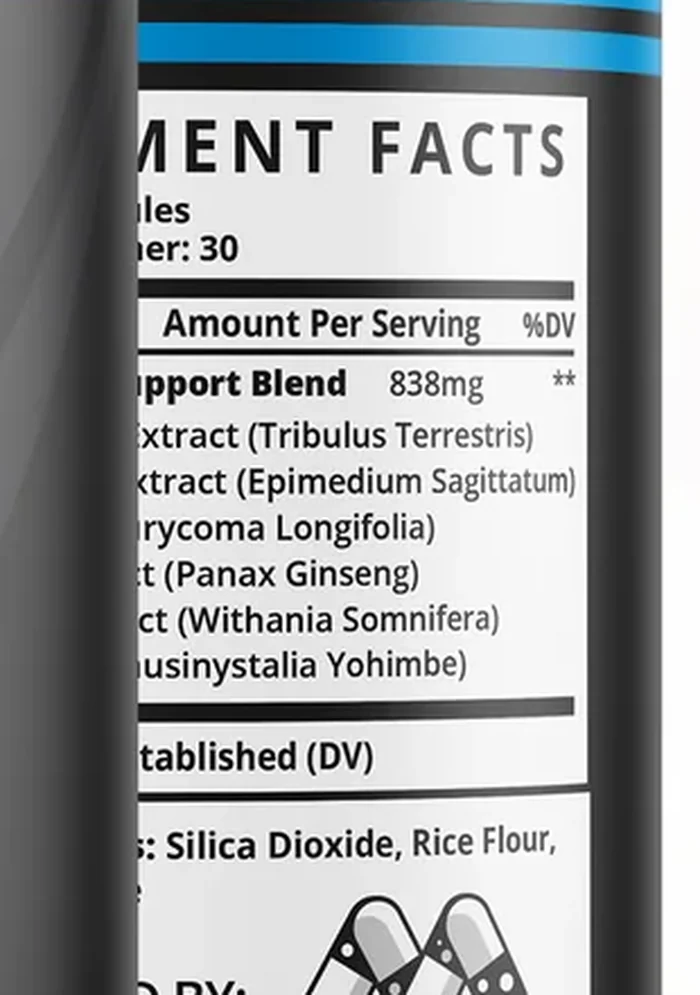
Buying vitamin D, zinc and magnesium separately means three bottles, three schedules and a lot of guesswork on doses. Viril Edge is a 60-capsule, two-capsule-a-day men's vitality formula that brings the supporting nutrients and botanicals together on one readable panel, backed by a money-back guarantee. See the full label and current package options at the official store.
Check Current Package OptionsDoses, Food Sources and Expected Effects at a Glance
This table is the article in miniature. Note that every "expected effect" is anchored to correcting a shortfall — that is where the research is strongest.
| Nutrient | Everyday dose for men | Best food sources | What studies hint | Safety ceiling |
|---|---|---|---|---|
| Vitamin D | Guided by test; deficient trials used ~3,332 IU/day | Salmon, tuna, mackerel, egg yolk, fortified foods | ~25% rise over a year in deficient men | Fat-soluble; avoid chronic megadoses |
| Zinc | ~11 mg/day; modest top-up if low | Oysters, beef, beans, pumpkin seeds, cashews | Deficiency lowers T; repletion supports production | UL ~40 mg/day (copper interference above) |
| Magnesium | ~400–420 mg/day total | Spinach, almonds, cashews, peanuts, black beans | ~24% rise over 4 weeks near 450 mg/day | ~350 mg/day from supplements specifically |
Why Stacking Beats Megadosing One Nutrient
Here is the logic that most single-ingredient marketing ignores. Testosterone production can be capped by a shortfall in any of these three. If you pour 200 mg of zinc into a body that was actually short on vitamin D, you have not fixed the bottleneck — you have just created a new risk from excess zinc. The pathway runs at the speed of its slowest step, so covering all three likely gaps at sensible doses is a smarter bet than crushing one of them.
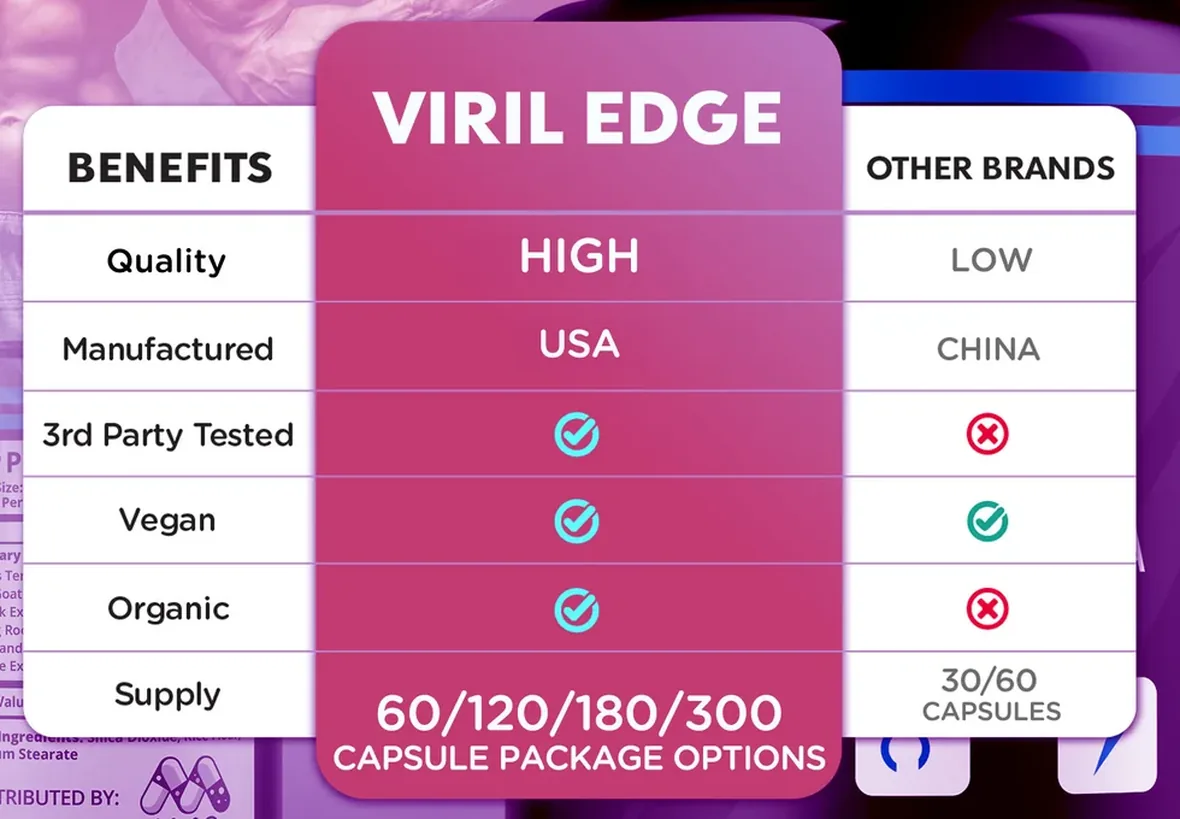
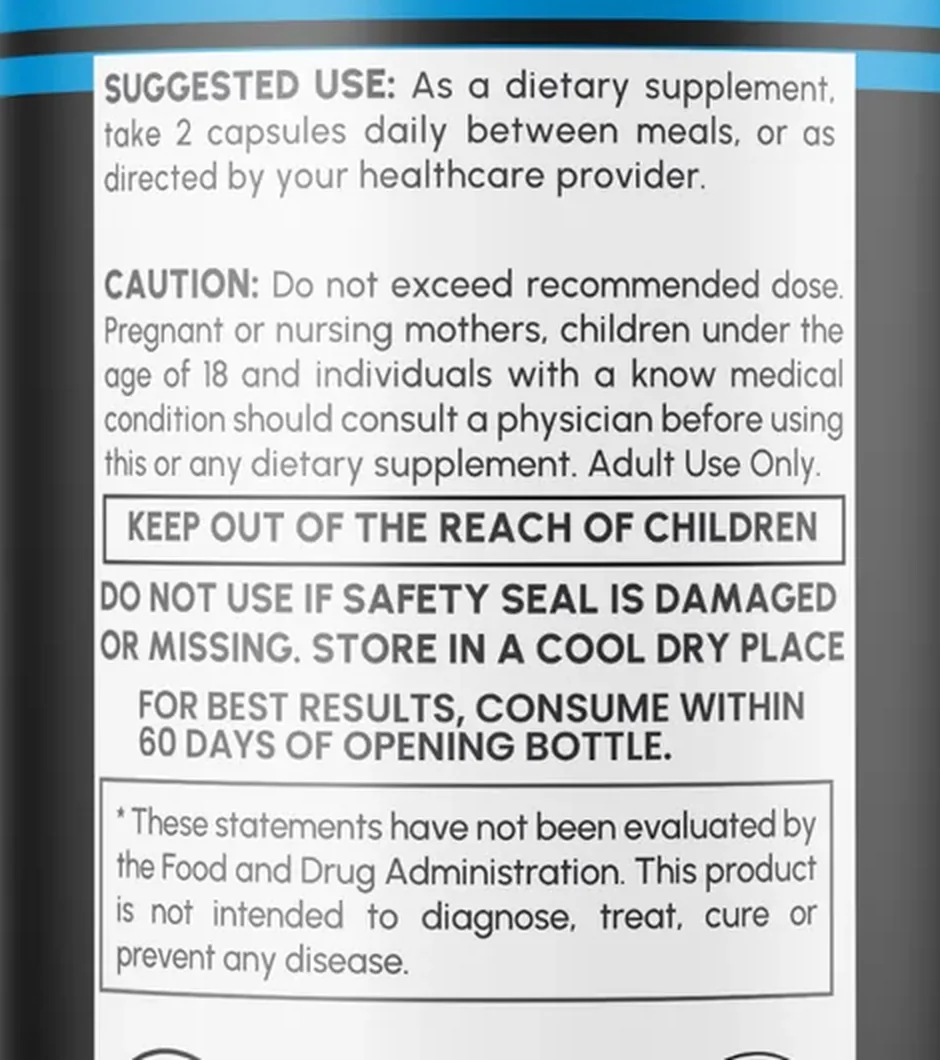
This is exactly the design logic behind a combined formula. Rather than gambling on which single nutrient you happen to be missing, a sensible stack covers the common shortfalls together at doses that respect the upper limits. It is also why we describe a product like Viril Edge as gap-filling rather than transformative: it aims to make sure the raw materials are present, not to override a system that is already well-supplied. If you want the wider view of how these micronutrients sit alongside diet, our companion guide to the foods that boost testosterone naturally maps the same nutrients back onto your grocery list.
Three Common Objections, Answered Honestly
"If my levels are normal, will these do anything?" Probably very little for testosterone specifically. These nutrients raise testosterone mainly by correcting a deficiency. If you are replete, the extra is largely excreted — and with zinc, overdoing it can backfire. This is the strongest argument for testing before you invest heavily.
"Aren't the exotic herbs stronger?" Usually the opposite. Most "proprietary" exotics have thin or unimpressive human data, whereas vitamin D, zinc and magnesium have decades of physiology behind them. Well-studied botanicals like ashwagandha and tongkat ali can add value, but the micronutrient base is where the reliable science lives. For a careful look at one popular exotic pairing, see our review of Fadogia agrestis versus tongkat ali and their safety questions.
"Do boosters even work?" That depends entirely on the ingredients and on you. A formula built on evidence-backed micronutrients at sensible doses has a plausible mechanism; a stimulant-loaded mystery blend does not. Our evidence review on whether testosterone boosters really work lays out who tends to benefit and who is likely wasting money.
The best supplements to increase testosterone are not the most exotic ones — they are the three your body already uses to build the hormone, supplied at sensible doses when a gap exists.
How to Combine Them Safely
Taking all three together is common and generally sensible, with a few practical notes. Take vitamin D with a meal that contains some fat for better absorption. Keep total zinc under the ~40 mg daily upper limit, and if you ever use a very high therapeutic zinc dose, separate it in time from other minerals to limit competition for absorption. Choose a well-absorbed magnesium form if your top-up dose is meaningful. And because supplements can interact with medications, run any new regimen past a pharmacist or clinician — especially if you take blood-pressure, heart or kidney-related medicines. None of this is complicated, but it is the difference between a smart routine and an accidental overdose of a fat-soluble vitamin or a mineral.
Medical note: this article is general information about supplement selection, not medical advice. Dietary supplements are not intended to diagnose, treat, cure or prevent any disease, including low testosterone. Speak to a qualified healthcare professional before starting any supplement, particularly if you take prescription medication, have kidney disease, or have a heart or blood-pressure condition.
Frequently asked questions
Which vitamins and minerals raise testosterone?
The three micronutrients with the most credible human evidence are vitamin D, zinc and magnesium, because testosterone synthesis depends on all three. Correcting a real deficiency in any of them can help the body resume normal production. Other nutrients play supporting roles, but these are the ones worth prioritising, and the effect is largest in men who were low to begin with.
How much vitamin D, zinc, and magnesium should men take?
Typical adult targets are roughly 11 mg of zinc a day (upper limit about 40 mg), 400 to 420 mg of magnesium a day, and a vitamin D dose guided by a blood test — studies in deficient men used around 3,332 IU daily. A magnesium intake near 450 mg daily was linked to a testosterone rise of about 24% over four weeks. Do not exceed upper limits without clinical guidance.
Can you take vitamin D, zinc, and magnesium together?
Yes, these three are commonly combined and are often more useful stacked than megadosed one at a time, because a shortfall in any single one can cap production. Space very high zinc doses away from certain minerals if you use them, keep zinc under its 40 mg upper limit, and take vitamin D with a fat-containing meal for absorption. When in doubt, check with a pharmacist or clinician.
Do these supplements work if my levels are normal?
Mostly no. Vitamin D, zinc and magnesium raise testosterone chiefly by correcting a deficiency, so the clearest benefits appear in men who were low. If your levels are already replete, adding more tends to do little for testosterone and simply gets excreted or, in the case of zinc, can cause problems at high doses. Testing first tells you whether there is a gap to close.
Scientific references
One panel, sensible doses, no guesswork
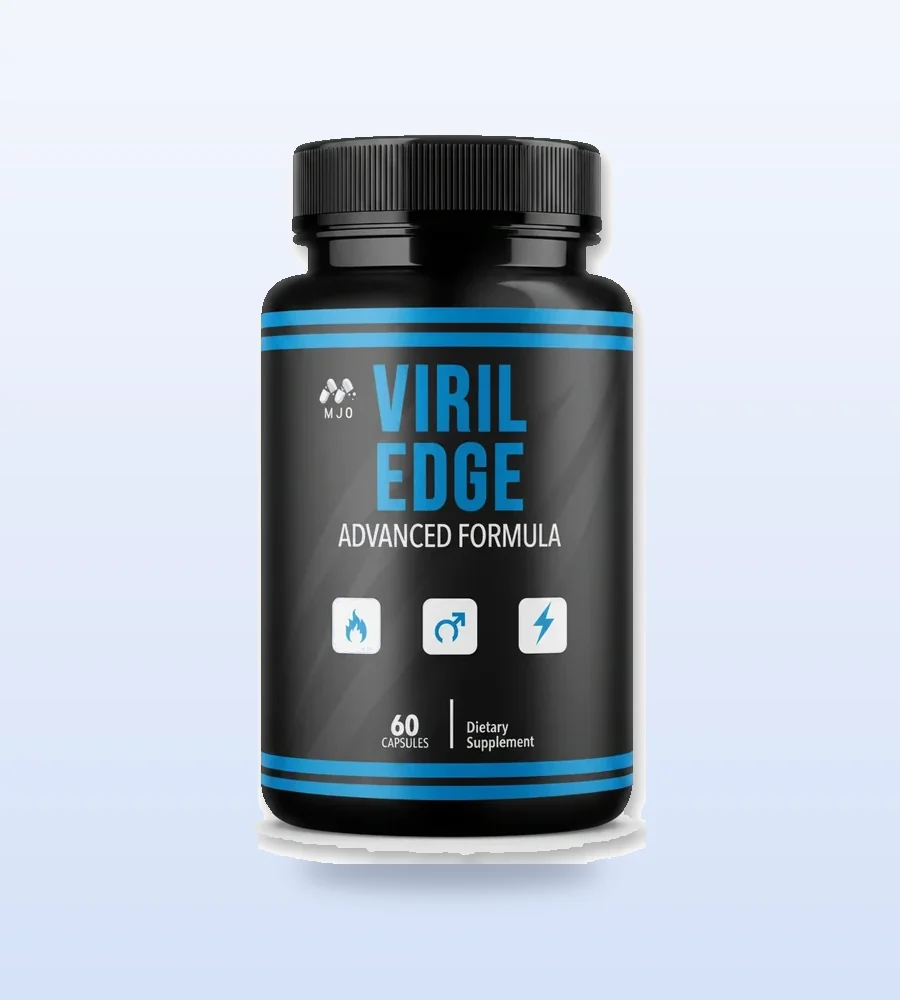
Instead of juggling three bottles, see how Viril Edge brings the supporting nutrients and botanicals together in a 60-capsule, two-a-day formula backed by a money-back guarantee. Check the current package options at the official store.
See Package Options