Foods That Boost Testosterone Naturally: A Grocery-List Guide to the Natural Ways to Boost Testosterone
Quick Answer: What Are the Best Natural Ways to Boost Testosterone With Food?
The most reliable natural ways to boost testosterone through diet are eating for the three nutrients your body needs to make it — zinc, magnesium and vitamin D — while getting enough healthy fat and protein. Prioritise oysters, beef and beans; spinach, almonds and cashews; and salmon, tuna and mackerel. The gains concentrate in men who start out low.
- Zinc: oysters, beef and beans feed the mineral your body converts into testosterone.
- Magnesium: spinach, almonds, cashews and peanuts; roughly 450 mg a day tracked a ~24% rise over four weeks.
- Vitamin D: salmon, tuna and mackerel; ~3,332 IU daily raised levels ~25% over a year in deficient men.
Walk down any supplement aisle and you would think a bottle is the only way to move the needle on your hormones. It is not. Long before a single capsule, your body builds testosterone from the raw materials you hand it three times a day — and the cheapest, most durable natural ways to boost testosterone are sitting in the produce section, the meat counter and the fish case. Get the groceries right and you remove the limiting factors that quietly cap production. Get them wrong and no product on earth fully makes up the difference.
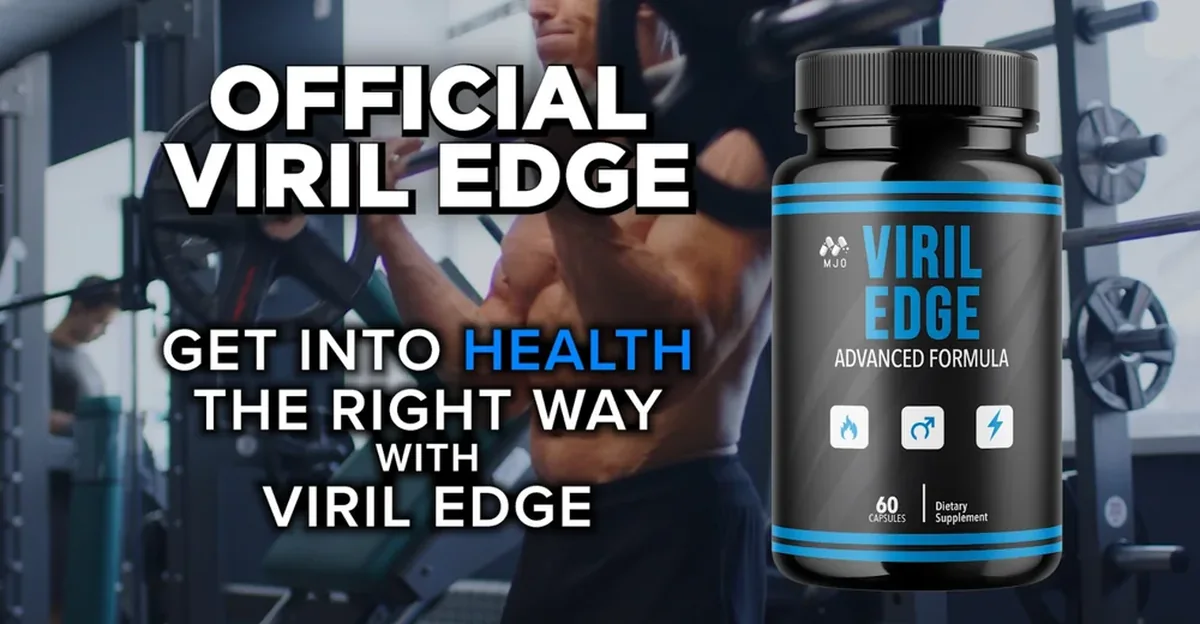
This is a practical, no-hype food guide. We will build you a grocery list around the three nutrients with the most credible human evidence — zinc, magnesium and vitamin D — add the healthy fats and protein your hormones depend on, and be honest about the one caveat that most articles skip: food helps most when you were low to begin with. By the end you will know exactly what to put in the cart, roughly how much you need, and where a convenient gap-filler like Viril Edge fits into the picture without pretending to replace real meals.
Why the Best Natural Ways to Boost Testosterone Start on Your Plate
Testosterone is not conjured out of nothing. Your body assembles it from cholesterol through a chain of enzyme steps, and several of those steps depend on specific micronutrients being present in adequate amounts. Zinc is a cofactor in the machinery. Magnesium influences how much testosterone circulates freely rather than staying bound and inactive. Vitamin D — technically a hormone precursor itself — is associated with healthier testosterone across large populations of men. Starve any of these and you cap the system; supply them and you let a normal body do its normal job.
That framing matters because it sets honest expectations. Food does not "spike" testosterone the way a drug would. Instead, it removes bottlenecks. If you are deficient, correcting the shortfall can produce a meaningful climb. If you are already well-supplied, eating even more of the same nutrient does very little — the tank is full and the overflow simply goes to waste. This is the single most important idea in the whole category, and it is why we keep circling back to it: diet is powerful precisely where a gap exists.
Zinc: The Mineral Your Body Turns Into Testosterone
If you learn one nutrient for hormonal health, make it zinc. It is an essential mineral, meaning your body cannot make it and must take it in from food. Zinc deficiency reliably drags testosterone down, and correcting a genuine shortfall restores production. That is a robust, repeatable finding — and it is also why zinc is a fixture in nearly every serious men's formula on the market.
The grocery list is short and familiar. Oysters are the undisputed champion, carrying more zinc per serving than almost any other food. If shellfish is not your thing, red meat — beef in particular — is an excellent everyday source that also delivers protein and iron. Plant eaters can lean on beans, lentils, chickpeas, pumpkin seeds and cashews, though the zinc in plants is somewhat less available because of compounds called phytates; soaking, sprouting and simply eating a bit more helps close that gap.
How much do you need? The adult target sits around 11 mg a day for men, and most men reach it comfortably with a mixed diet. The ceiling matters too: the tolerable upper limit is about 40 mg a day from all sources combined, and pushing past it for long stretches can interfere with copper absorption and cause its own problems. In other words, zinc is a "fix the gap, don't megadose" nutrient — more is not better once you are replete.
Magnesium: The Recovery Mineral With Real Numbers Behind It
Magnesium is the quiet workhorse of this trio. It is involved in hundreds of enzymatic reactions, it supports the deep sleep during which most of your testosterone is produced, and it appears to influence how much of your testosterone stays biologically active rather than locked to binding proteins. It is also one of the most commonly under-consumed minerals in modern diets, which makes it a prime target for anyone chasing natural ways to boost testosterone.
The evidence here comes with an actual figure worth remembering: in a four-week study, a daily intake in the region of 450 mg of magnesium was associated with a testosterone increase of roughly 24%, with the largest effects in men who were physically active. As always, the men who gained the most were those correcting a relative shortfall — but the size of the move is a useful reminder that this is not a trivial nutrient.
Fill the cart with leafy greens like spinach and Swiss chard, nuts such as almonds, cashews and peanuts, plus pumpkin seeds, black beans, dark chocolate and whole grains. The adult target is roughly 400 to 420 mg a day for men. A handful of almonds, a serving of spinach and some beans across a day gets most people a long way there without any thought at all.
Vitamin D: The "Sunshine Hormone" You Can Also Eat
Vitamin D behaves less like a vitamin and more like a hormone, and men who spend their days indoors are frequently short of it. Across large populations, low vitamin D status tracks with lower testosterone, and the fix is both cheap and measurable. In one year-long study of deficient men, a daily dose of about 3,332 IU of vitamin D was associated with a testosterone increase of roughly 25% compared with placebo — again, concentrated in men who started out deficient.
Sunlight drives most of your vitamin D, but food carries real weight, especially in winter or for indoor workers. The best dietary sources are fatty fish — salmon, tuna, mackerel and sardines — along with egg yolks, and fortified foods like some milks and cereals. Because vitamin D status is so individual, this is the one nutrient where a simple blood test earns its keep: it tells you whether you are actually low, which is the only situation where topping up moves your testosterone at all.
Don't Forget Healthy Fats and Enough Protein
Micronutrients get the headlines, but the macro backdrop matters just as much. Testosterone is built from cholesterol, and very-low-fat diets have been associated with lower testosterone in some studies. That is not a licence to drown everything in butter — it is a reason to include healthy fats from olive oil, avocados, nuts and the same fatty fish that supply your vitamin D. Adequate protein supports lean mass and recovery, which indirectly support a healthier hormonal profile, while chronically under-eating protein or crash-dieting tends to push things the wrong way.
The picture that emerges is refreshingly ordinary: a plate built on quality protein, colourful plants, whole grains, healthy fats and the occasional serving of shellfish or oily fish covers almost every nutrient in this article at once. There is no exotic superfood here. The "secret" is consistency.
Cover the same nutrients on days your plate falls short
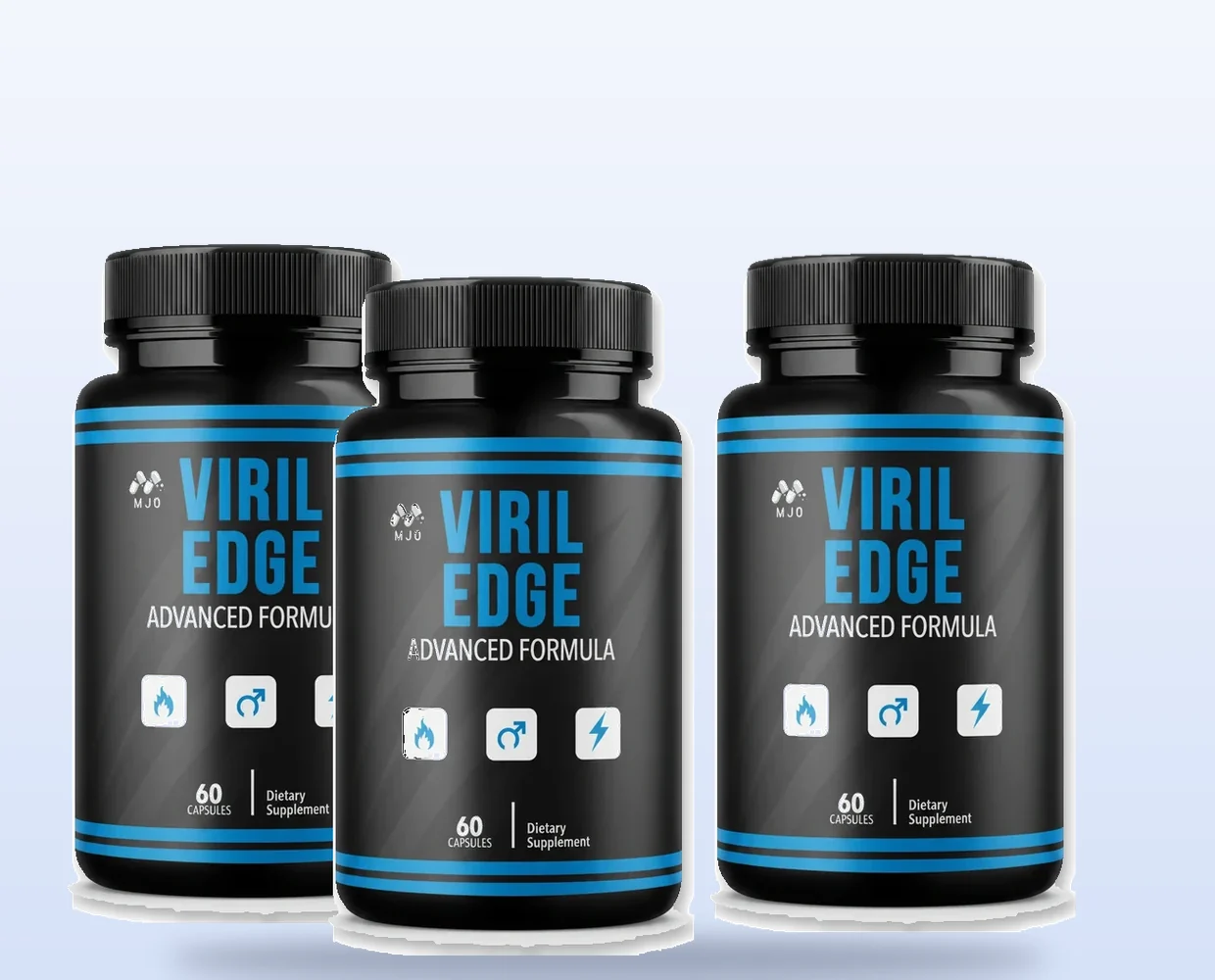
Real meals come first — but nobody eats oysters, spinach and salmon every single day. Viril Edge is a 60-capsule, two-capsule-a-day men's vitality formula designed as a convenient way to help cover key testosterone-supporting nutrients when your groceries do not. See the full panel and current package options at the official store.
Check Current Package OptionsWhy Food Alone Sometimes Isn't Enough — the Honest Caveat
Here is the caveat most food guides bury. Diet is the foundation, but it has limits and blind spots. Vitamin D is hard to get from food alone in the darker months. Magnesium is genuinely under-consumed by a large share of adults. Busy weeks, travel, restaurant meals and picky eating all conspire to leave gaps even in people who "eat pretty well." And if your low energy or reduced drive stems from an actual medical deficiency, no grocery list fixes that — that is a conversation for a clinician and a blood test, not a shopping trip.
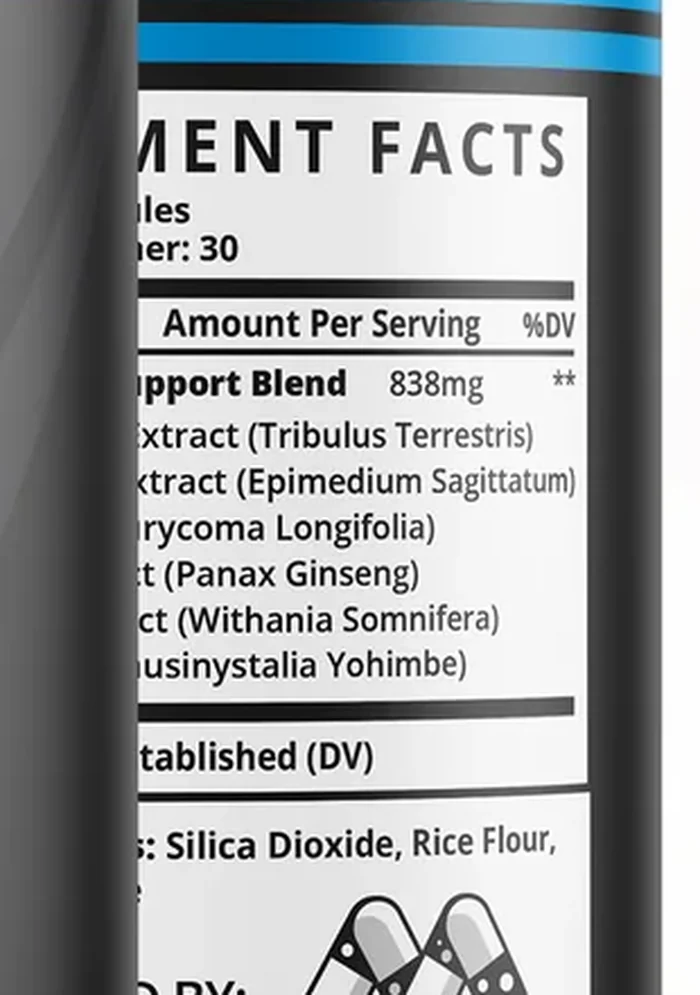
This is the sensible place for a supplement, and it is exactly how we position Viril Edge: as gap-filling, not food-replacing. It is a 60-capsule formula taken as two capsules a day, built on a single 838 mg blend of six botanicals, sold with a money-back guarantee. Think of it as insurance for the nutrients your plate keeps missing — a floor under a good diet, not a substitute for one. If you want to see how boosters stack up against food and against each other, our guide to the best natural testosterone booster for men and how to judge one honestly walks through the criteria that actually matter.
One more note on expectations, because it is easy to get sold a fantasy: a supplement, like a food, works mainly by removing a limitation. If you want a clear-eyed look at what that means in practice, read our evidence review on whether testosterone boosters really work and for whom before you spend anything.
Three Myths About Testosterone Foods
Myth 1: "One superfood will spike your testosterone." No single food does that. Headlines love a hero ingredient, but hormones respond to the overall pattern of your diet over weeks, not to a plate of one magic thing. The oyster is great for zinc; it is not a switch.
Myth 2: "If some zinc is good, a lot is better." This is where enthusiastic supplementers get into trouble. Zinc helps when you are low and does little when you are full, and sustained high doses can backfire by crowding out copper. Respect the ~40 mg upper limit and treat zinc as a gap-filler, not a performance dial.
Myth 3: "Food works for everyone equally." The men who see the biggest changes are those who were deficient or badly under-slept and over-stressed to begin with. If your zinc, magnesium, vitamin D, sleep and training are already dialled in, the honest expectation from tweaking your diet further is small. That is not a reason to skip good food — it is a reason to fix the free levers first.
Diet does not spike testosterone; it removes the ceilings on it. The men who gain the most are the ones who were missing something — which is why the first job is finding and closing the gap.
Your One-Page Testosterone Grocery List
Print this, screenshot it, or memorise the columns. Each row pairs a nutrient with easy foods and the practical target most men aim for.
| Nutrient | Best food sources | Everyday target for men | What the evidence hints |
|---|---|---|---|
| Zinc | Oysters, beef, beans, pumpkin seeds, cashews | ~11 mg/day (UL ~40 mg) | Correcting a shortfall restores production |
| Magnesium | Spinach, almonds, cashews, peanuts, black beans | ~400–420 mg/day | ~450 mg/day tracked a ~24% rise over 4 weeks |
| Vitamin D | Salmon, tuna, mackerel, egg yolk, fortified foods | Test first; correct if low | ~3,332 IU/day ~25% over a year in deficient men |
| Healthy fats | Olive oil, avocado, nuts, oily fish | Include daily; avoid very-low-fat | Supports the cholesterol base of testosterone |
| Protein | Eggs, poultry, fish, dairy, legumes | Adequate at every meal | Supports lean mass and recovery |
Food, Sleep, Training, Stress — the Four That Work Together
Nutrition is one leg of a four-legged stool, and pulling only on the food lever leaves results on the table. The same nutrients that build testosterone are used up faster when you are sleep-deprived and cortisol is high. Resistance training is one of the most reliable non-pharmacological ways to support healthy testosterone, and it also improves how your body uses the nutrients you eat. Chronic stress and poor sleep quietly undo a lot of good grocery shopping. So treat this guide as the first move, not the only one: eat for zinc, magnesium and vitamin D, then protect your sleep, lift something heavy a few times a week, and manage the stress load. That combination — not any single capsule or superfood — is what the phrase "natural ways to boost testosterone" actually means in practice.
Medical note: this article is general information about diet and supplement selection, not medical advice. Dietary supplements are not intended to diagnose, treat, cure or prevent any disease, including low testosterone. Speak to a qualified healthcare professional before starting any supplement or making major dietary changes, particularly if you take prescription medication or have a medical condition.
Frequently asked questions
What foods increase testosterone the most?
No single food raises testosterone like a drug, but the biggest dietary levers are foods rich in zinc (oysters, beef, beans), magnesium (spinach, almonds, cashews, peanuts) and vitamin D (salmon, tuna, mackerel), plus enough healthy fat and adequate protein. These nutrients matter most when you are currently low or deficient; topping up when you are already replete does far less.
Can diet alone raise low testosterone?
Sometimes, if the cause is a nutrient gap. Correcting a genuine zinc, magnesium or vitamin D deficiency through food can help your body resume normal production, and the effect is clearest in men who started out low. Diet cannot replace prescription testosterone therapy for a diagnosed medical deficiency, so a morning blood test and a doctor's input come first.
How much zinc and magnesium do I need for testosterone?
Most men do well around the adult targets — roughly 11 mg of zinc a day and 400 to 420 mg of magnesium a day from food and, if needed, a sensible supplement. One four-week study using about 450 mg of magnesium daily reported a testosterone rise near 24% in active men. Stay under the 40 mg zinc upper limit unless a clinician directs otherwise.
Do testosterone-boosting foods work as well as supplements?
Food should come first because it delivers nutrients alongside the fibre, protein and healthy fats your hormones depend on. A supplement such as Viril Edge is best seen as gap-filling — a convenient way to cover the same key nutrients on days your plate falls short — rather than a replacement for a nutrient-dense diet, good sleep, training and stress control.
Scientific references
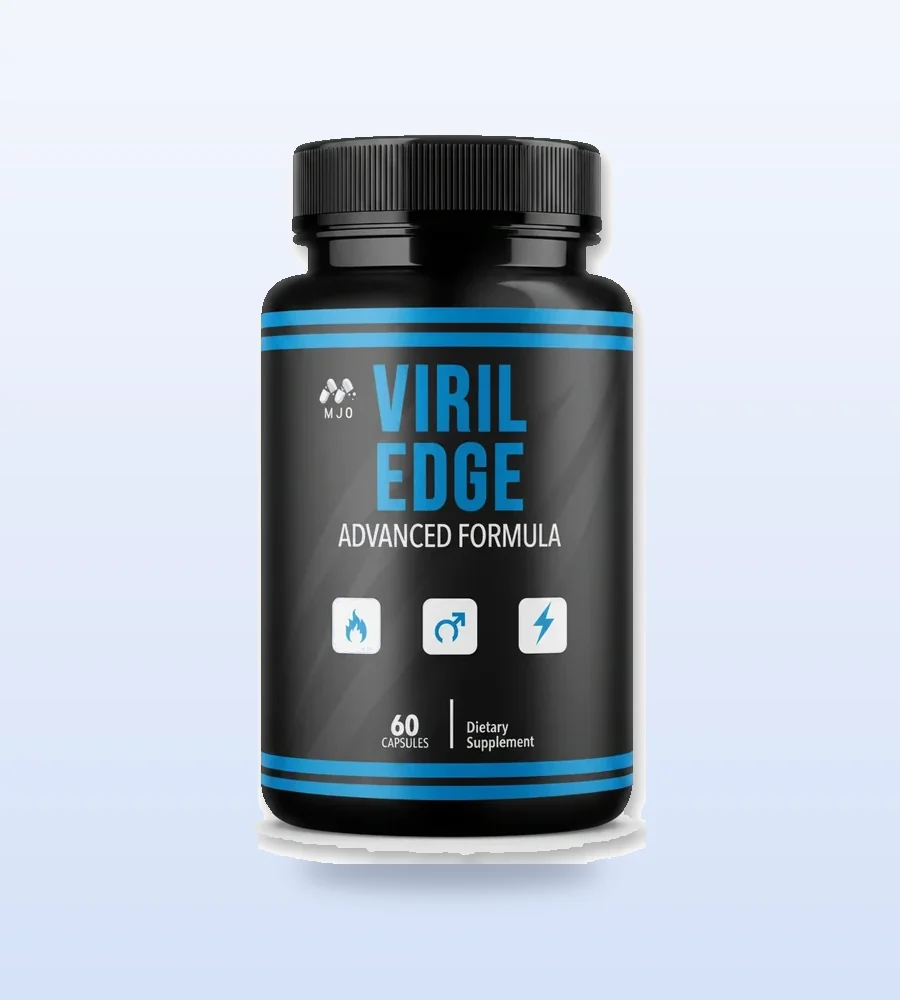
Fill the gaps your groceries miss
Two capsules a day, one 838 mg blend of six botanicals, backed by a money-back guarantee. When oysters, spinach and salmon are not on the menu, see the current package options at the official store.
See Package Options